
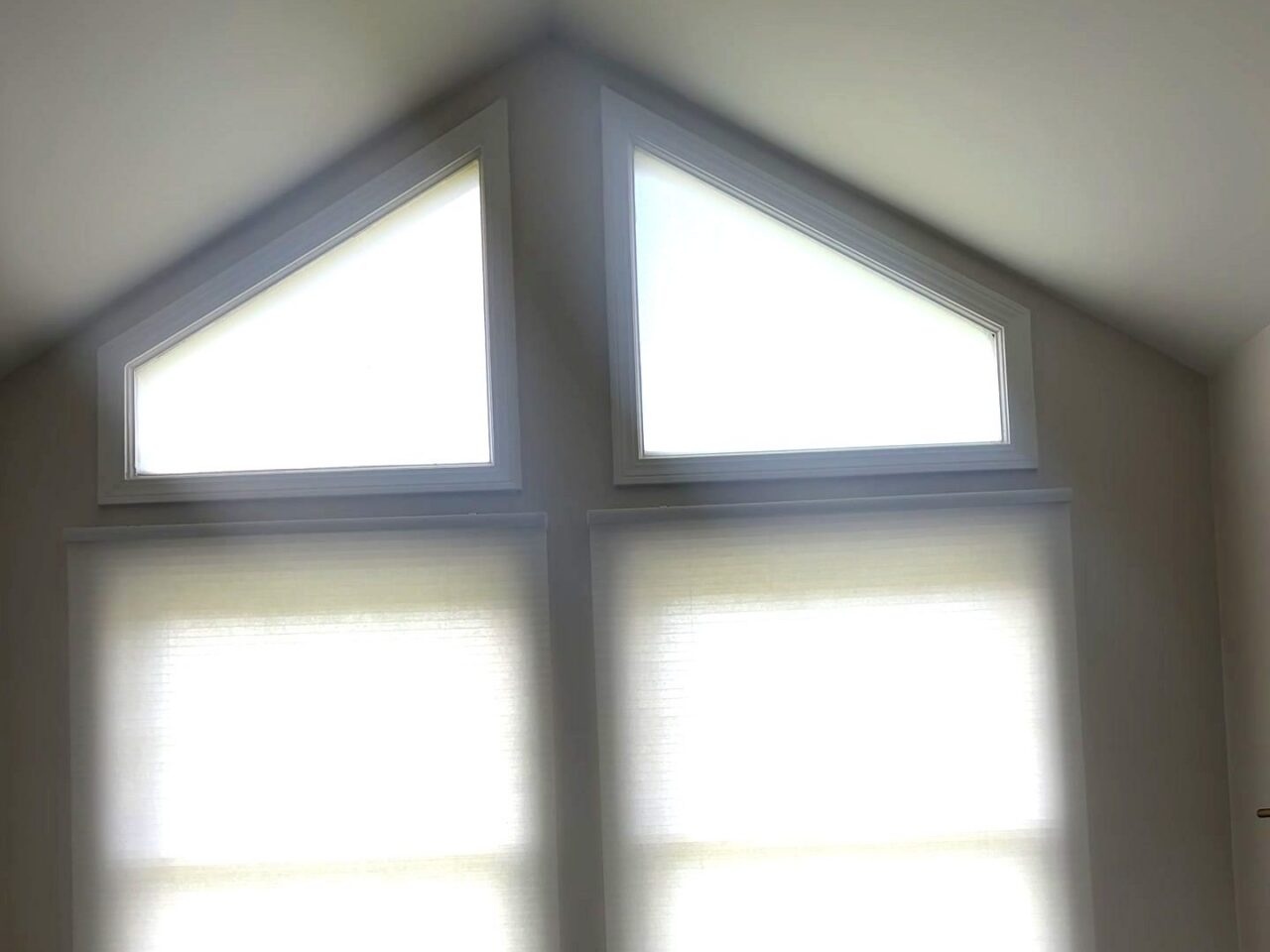
Short Answer
Cordless blinds and shades are worth it for almost everyone, and if there are kids or pets in the house they’re the safest choice you can make at the window. Motorized blinds are worth it for windows that are hard to reach, big, or many, or if you want them on a schedule. For a regular bedroom window you can reach, a manual cordless shade does the same job for a lot less money.
This box contains affiliate links. As an Amazon Associate I earn from qualifying purchases. See the affiliate note at the bottom of this post.
🧰 What I Use
Whether the shade has a cord, a wand or a motor, it goes up the same way. These do most of the work:
- My stud finder, to see what’s above the window before I drill bracket holes
- My 2-foot level, so the headrail sits straight even when the window trim doesn’t
- My drill bit set, for clean pilot holes in wood, drywall or plaster
🛒 Helpful Picks
These are well-reviewed options, not my personal picks. Measure first, and check that the size, mount type and operating system match your window.
Cordless and motorized blinds come up a lot when I’m putting up window coverings, usually as “are these worth the extra money?” The answer is different for each one. Cordless is about safety and a cleaner look, and it doesn’t cost much more. Motorized is about convenience, and it can cost a lot more. Here’s how I’d think about both.
Cordless Blinds: Why They’re the Default Now
The big reason is kids. Looped and dangling cords on blinds and shades are a known strangulation hazard for young children, and the CPSC treats window covering cords as a substantial product hazard. Under that rule, stock blinds (the ready-made ones you pick up off the shelf) have to have operating cords that are cordless, 8 inches or shorter, or inaccessible.
Custom, made-to-order blinds went the same direction through the industry’s own standard. The window covering industry’s revised safety standard, effective June 1, 2024, did away with free-hanging operating cords on custom products too. CPSC had also passed its own rule for custom coverings, but a federal appeals court vacated it in 2023, so the industry standard is what applies there.
What that means for you: anything new you buy is probably cordless or close to it. The blinds to worry about are the old ones already hanging in your house, especially in an older East Side home or a rental where nobody’s changed them in years.
The cordless options you’ll see
- Push-up / pull-down: you lift or lower the bottom rail by hand. Simple and cheap. On a tall or heavy shade it can take a little practice to get it to stop where you want.
- Wand control: a rigid wand raises, lowers or tilts the shade. Nice when the shade is up high or behind a deep sill.
- Top-down/bottom-up: lets you lower the top for light and privacy at the same time. Handy for bedrooms and bathrooms, and they’re commonly sold cordless.
If you want a quick way to shop safe, look for the Best for Kids label. It’s an industry certification for products with no accessible cords that can form a hazardous loop, tested by a third-party lab.
Motorized Blinds: When They Earn the Money
Motorized shades are great in the right spot and overkill in the wrong one. They’re worth it when:
- The window is hard to reach: over a tub, behind a kitchen sink, over a stairway, or a tall living room window. You stop climbing on things to open a shade.
- There are a lot of windows: one button for the whole room beats walking to six windows.
- You want a schedule: close the west windows on summer afternoons, open the bedroom at 7 AM, close everything at dusk so the house doesn’t look empty when you’re away.
- Someone has trouble reaching or gripping: a remote or phone can be easier than any cord or wand.
They’re not worth it for a single bedroom window you can easily reach, or a rental where the next tenant will lose the remote. In those spots, a manual cordless shade gets you the safety without the cost.
Battery vs. Hardwired (and Solar)
Somfy, one of the big motor makers, lays out the main ways motorized shades get power:
- Battery (replaceable or rechargeable): no wiring, so it’s the easy choice for an existing house. You’ll charge or swap batteries now and then. How often depends on the motor, how big the shade is and how many times a day it runs, so check the maker’s estimate before you buy.
- Solar panel: a small panel keeps the battery topped off. It works best on sunny windows. Somfy suggests south- or west-facing rooms without awnings, overhangs or trees blocking the light.
- Plug-in adapter: runs to a nearby outlet. No batteries, but you’ll have a wire to hide.
- Hardwired: no batteries or visible wires, but it needs power run to the window, which is electrician work in most houses. It makes the most sense during a remodel when the walls are already open.
For most people around here with an existing house, rechargeable battery or solar is the practical way to go.
The Smart Home Part
Most motorized shades come with a remote. Many can also be controlled from a phone or voice assistant, but often only with the brand’s hub or bridge, sold separately. Before you buy, check three things: what hub it needs, whether it works with what you already use, and whether the remote works on its own if the Wi-Fi’s down.
Common Mistakes
- Leaving old corded blinds up in a kid’s room “for now.”
- Motorizing every window when only two or three are actually hard to reach.
- Putting solar-charged shades on a north-facing or heavily shaded window.
- Buying a smart shade without checking whether it needs a separate hub.
- Measuring wrong. A motorized shade is an expensive thing to reorder. Here’s how to measure for blinds and curtains.
Safety
- Old corded blinds: if you can’t replace them yet, wrap the cords up high on a cord cleat, well out of reach, and move cribs, beds and furniture kids can climb away from windows. Replacing them is the real fix.
- Batteries: keep spare coin and button batteries from remotes away from kids. Swallowing one is dangerous.
- Wiring: anything that needs a new circuit or wiring run to the window is a job for a licensed electrician.
- Kids and windows in general: while the drill’s out, it’s worth anchoring dressers and TVs too.
DIY or Call a Guy?
DIY it if you’re swapping a few corded blinds for cordless ones or putting up battery-powered motorized shades on standard windows. It’s the same bracket work as any blind. Here’s how to install window blinds, inside or outside mount.
Call someone if you’re doing a whole house of windows, the windows are high or over a tub or stairs, the walls are plaster, or you want shades and curtain rods lined up and level the same day. Hardwired motors need an electrician.
Local to Euclid or Cleveland’s east side? I install cordless and battery-powered blinds and shades myself. See my Blinds and Curtain Installation in Euclid & Cleveland page, or text me a photo at 216-800-5883.
FAQ
Are cordless blinds safer for kids and pets?
Yes. With no dangling or looped cords, there’s nothing for a child or pet to get tangled in. That’s why stock blinds have to be cordless, have short cords, or have inaccessible cords under the CPSC rule.
Do cordless blinds cost more?
Often a bit more than the same blind with a cord. Motorized shades are where the price really jumps.
How long do batteries last in motorized blinds?
It depends on the motor, the size of the shade and how often it runs. Check the manufacturer’s estimate. A solar panel or rechargeable battery cuts down how often you think about it.
Can I motorize the blinds I already have?
Add-on motors are sold for some shade and blind types, but fit varies a lot. For most people it’s simpler to buy a shade that comes motorized.
Do motorized blinds need Wi-Fi?
Not for the remote. Phone, voice and schedule control usually need the brand’s app and sometimes a separate hub.

Scan to join our Loyalty Program, get a free coupon for your next service, and stay up to date on our services and articles.
Affiliate Note
Some of the links in this article are affiliate links. That simply means if you choose to buy through them, I may earn a small commission at no extra cost to you. As an Amazon Associate I earn from qualifying purchases. I only recommend products I trust and would feel comfortable installing in my own home or a client’s home.
If you try something I recommended and it turns out to be anything less than a five-star experience, please let me know. I always want these recommendations to be genuinely helpful.