
Short Answer
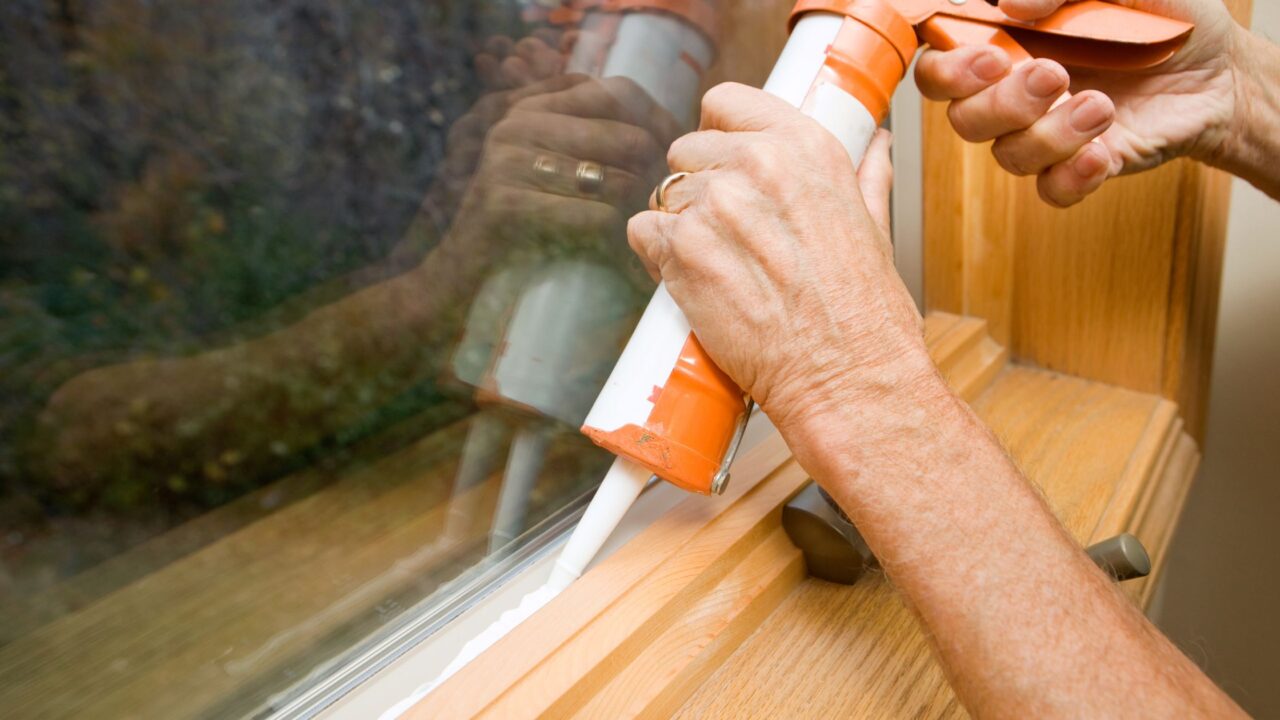
Use paintable acrylic latex caulk (the “plus silicone” kind) on interior trim, baseboards and anything you’ll paint. Use 100% silicone where water hits and you won’t paint: tubs, showers, sinks. Outside, use a caulk labeled for exterior use, a paintable hybrid or silicone around windows and doors, and a polyurethane or concrete sealant on concrete cracks. Whatever you pick, check the label’s temperature range, because most caulks want 40°F or warmer.
This box contains affiliate links. As an Amazon Associate I earn from qualifying purchases. See the affiliate note at the bottom of this post.
🧰 What I Use + Helpful Picks
The caulk and tape are what I use on the job. The rest are well-reviewed options to compare, not specific products I’m vouching for.
- The caulk I use on everyday trim and baseboard jobs
- My FrogTape: two strips of tape make a clean, straight bead on tubs and window trim
- A dripless caulk gun so the tube stops pushing caulk when you let go of the trigger
- A caulk removal tool for scraping out the old bead (new caulk won’t stick to old)
- Foam backer rod for deep gaps so you’re not filling them with a whole tube
Walk down the caulk aisle and there are 40 tubes that all say “window and door,” “all purpose” or “kitchen and bath.” Grab the wrong one and you get caulk that won’t take paint, cracks after one winter, or peels off a tub in a month.
The good news is that for most homes it comes down to three or four types. Here’s what each one is for and where it goes.
The Main Types of Caulk
Acrylic latex (and “acrylic latex plus silicone”)
This is the everyday painter’s caulk. It cleans up with water, it’s easy to tool smooth, and it takes paint. The “plus silicone” or “siliconized” versions add some flexibility and adhesion. DAP’s data sheet for its Alex Fast Dry, for example, lists it for interior and exterior use, paintable in 20 minutes with a brush or roller, applied between 40°F and 100°F, and says not to put it on if rain or freezing temps are forecast within 24 hours. Lowe’s buying guide notes that plain acrylic latex weakens in extreme temperatures and sunlight, which is why it’s at its best indoors.
100% silicone
Silicone stays flexible and sheds water, so it’s the right pick around tubs, showers and sinks. The catch: standard silicone can’t be painted, and it doesn’t stick well to bare wood. Silicone is also the one type that can go on in cold weather. GE’s sheet for its Paintable Silicone Supreme (a hybrid, not plain silicone) says it can be applied to surfaces from 0°F to 140°F, as long as the tube itself is kept above 41°F.
Hybrid and “paintable silicone” sealants
These are newer formulas that try to give you silicone’s flexibility and weather resistance with paint on top. They cost more, but they’re a good choice for exterior window and door trim you plan to paint. Read the label for paint times; GE’s Supreme sheet says latex paint after about an hour in warm, humid conditions, or 2 hours otherwise, and 24 hours (with a latex primer first) before oil-based paint.
Polyurethane and concrete sealants
Tough, stretchy and made for concrete and masonry: driveway cracks, the joint between a walk and the house, sidewalk control joints. Sika’s data sheet for its Sikaflex Concrete Fix lists an application range of 40°F to 100°F, a cure time of 5 to 7 days, and joints no wider than 1 inch. It’s messier to work with than latex, and it isn’t what you want on interior trim.
Which Caulk Goes Where
Inside the house
- Baseboards, crown, door and window casing, trim you’ll paint: paintable acrylic latex plus silicone. Here’s how I caulk trim and baseboards.
- Tub, shower and the joint where tile meets the tub: 100% silicone, often labeled kitchen and bath with mildew resistance. Don’t use latex here; standing water breaks it down.
- Kitchen and bathroom sinks, backsplash-to-counter joint: silicone, in a color that matches.
- Drafty interior window trim: paintable acrylic latex plus silicone works fine inside. See how to seal drafty windows for winter.
Outside the house
- Exterior window and door trim, siding joints you’ll paint: a caulk labeled for exterior use, ideally a paintable hybrid or a high-grade siliconized acrylic rated for exterior use.
- Window and door frames you won’t paint: exterior-rated silicone, in clear or a matching color.
- Concrete cracks and joints: a polyurethane or concrete-specific sealant, with backer rod in deep joints.
- Gutter seams and end caps: a sealant made for gutters. Here’s how to fix a leaking gutter seam.
Temperature Limits Matter in Northeast Ohio
Most of us decide to caulk the outside of the house in November, when we finally feel the draft. The problem is that latex and polyurethane caulks want 40°F or warmer for both the air and the surface, and they need dry weather while they set. If you’re caulking outside this time of year, pick a dry afternoon in the 40s or better, or use a product the label says is rated for cold. If it’s below freezing, seal the inside for now (interior caulk, weatherstripping, window film) and do the outside in spring.
How to Get a Bead That Lasts
- Remove the old caulk. New caulk won’t bond to old caulk, especially silicone. Scrape it out and wipe the joint clean.
- Make sure it’s dry. Wet wood and damp concrete won’t hold a bead. GE’s sheet specifically says not to apply to water-saturated wood or concrete.
- Fill deep gaps with backer rod. DAP says to use backer rod if the joint is more than 3/8 inch deep. Fine Homebuilding’s guide says caulk generally isn’t meant for gaps wider than 1/2 inch.
- Cut the tip small. You can always cut more off. A small bead pushed into the joint beats a big one smeared on top.
- Tool it once. Smooth it with a wet finger or a tool in one pass and pull your tape right away.
- Respect the cure time. Check the label before paint, water or a shower hits it.
Time and difficulty: beginner. Most caulk jobs take an hour or two, and the removal and cleanup take longer than the caulking.
Common Mistakes
- Painting over silicone. The paint beads up and peels. If it needs paint, use paintable caulk.
- Latex caulk in the shower. It’ll soften and grow mildew.
- Caulking over old caulk. It looks fine for a few weeks, then lets go.
- Caulking outside on a cold, damp day. It never cures right and pulls away from the joint.
- Filling big gaps with caulk alone. Use backer rod, or fix the gap with trim or filler first.
- Sealing weep holes. Leave the small drain slots at the bottom of windows and storm doors open.
DIY or Call a Guy?
DIY it: trim, baseboards, a tub or sink, and any exterior window or door you can reach from the ground or a short ladder. It’s one of the best first projects there is.
Call a pro: joints that keep cracking and opening up (that’s movement, and the cause may need fixing), water getting behind siding or into the wall, rotted trim under the old caulk, or anything up high on a second story. Caulk seals a joint; it won’t fix a leak coming from somewhere else.
Local to Euclid or Cleveland’s east side? I recaulk tubs, showers, trim and windows myself. See my Caulking Services in Euclid & Cleveland page, or text me a photo at 216-800-5883 and I’ll tell you what kind of caulk the joint needs.
FAQ
Can I use interior caulk outside?
Only if the label says interior/exterior. Interior-only acrylic latex breaks down in sun and freeze-thaw cycles. Many siliconized acrylics are rated for both; check the tube.
Can you paint silicone caulk?
Standard 100% silicone, no. Paint won’t stick to it. If you want to paint over it, buy a caulk labeled paintable, like acrylic latex plus silicone or a paintable silicone hybrid.
What’s the best caulk for windows?
Inside, paintable acrylic latex plus silicone. Outside, an exterior-rated hybrid or siliconized acrylic if you’ll paint it, or exterior silicone if you won’t.
How cold is too cold to caulk outside?
Go by the label. Many latex and polyurethane caulks list 40°F as the minimum for both air and surface, and some cold-weather products go lower. Below freezing, seal from the inside and wait for spring.
How long before I can shower after caulking the tub?
It depends on the product. Some fast-cure silicones say they’re water-ready in as little as 30 minutes in warm conditions, while others ask for a full day. Read the tube and wait the full time.
Planning to paint the trim after? See how to paint trim and baseboards.
Sources
- DAP: Alex Fast Dry acrylic latex caulk plus silicone technical data (PDF)
- GE Sealants: Paintable Silicone Supreme window and door technical data (PDF)
- Sika: Sikaflex Concrete Fix product data (PDF)
- Fine Homebuilding: Making sense of caulks and sealants
- Lowe’s: Caulk buying guide

Scan to join our Loyalty Program, get a free coupon for your next service, and stay up to date on our services and articles.
Affiliate Note
Some of the links in this article are affiliate links. That simply means if you choose to buy through them, I may earn a small commission at no extra cost to you. As an Amazon Associate I earn from qualifying purchases. I only recommend products I trust and would feel comfortable installing in my own home or a client’s home.
If you try something I recommended and it turns out to be anything less than a five-star experience, please let me know. I always want these recommendations to be genuinely helpful.