
Short Answer
Anchor anything tall or top-heavy (dressers, bookcases, wardrobes, and TVs on stands) to a wall stud with a metal or heavy-duty strap kit. Find the stud, screw one bracket into it and the other into a solid part of the furniture (never the thin back panel), and pull the strap snug. No stud where you need it? Use a toggle bolt rated for the load, not a plastic anchor. For TVs, a wall mount is best; otherwise strap the TV to its stand and the stand to the wall.
This box contains affiliate links. As an Amazon Associate I earn from qualifying purchases. See the affiliate note at the bottom of this post.
🧰 What You’ll Need
What I Use:
For pilot holes in the stud and the furniture. Pilot holes keep hardwood from splitting and screws from wandering.
Check price →
Helpful Picks: these are well-reviewed options, not my personal picks. Check the weight rating on the package against what you’re anchoring.
Why Furniture and TVs Tip Over
A dresser is stable when it’s closed. Pull out two or three drawers, put a TV on top, or have a kid climb the drawers like a ladder, and the center of gravity moves forward past the front feet. Then it goes, fast.
This isn’t a rare thing. According to the CPSC’s Anchor It campaign, about 17,800 people a year are treated in emergency rooms for furniture, TV and appliance tip-overs, and of 217 tip-over deaths CPSC recorded from 2013 to mid-2023, 47% involved a TV. Most of the deaths are young children, but older adults get hurt too, usually leaning on furniture for balance.
New dressers sold since September 2023 have to meet a federal stability standard under the STURDY Act (CPSC rule). That helps, but CPSC still says to anchor them, and most of the dressers in East Side homes are older than that rule. Hand-me-downs, antiques and flat-pack pieces are the ones I’d worry about most.
What to Anchor
- Dressers and chests, especially tall ones and anything with a TV on top.
- Bookcases and tall shelving units, even if they feel heavy. Heavy is the problem.
- Wardrobes and armoires.
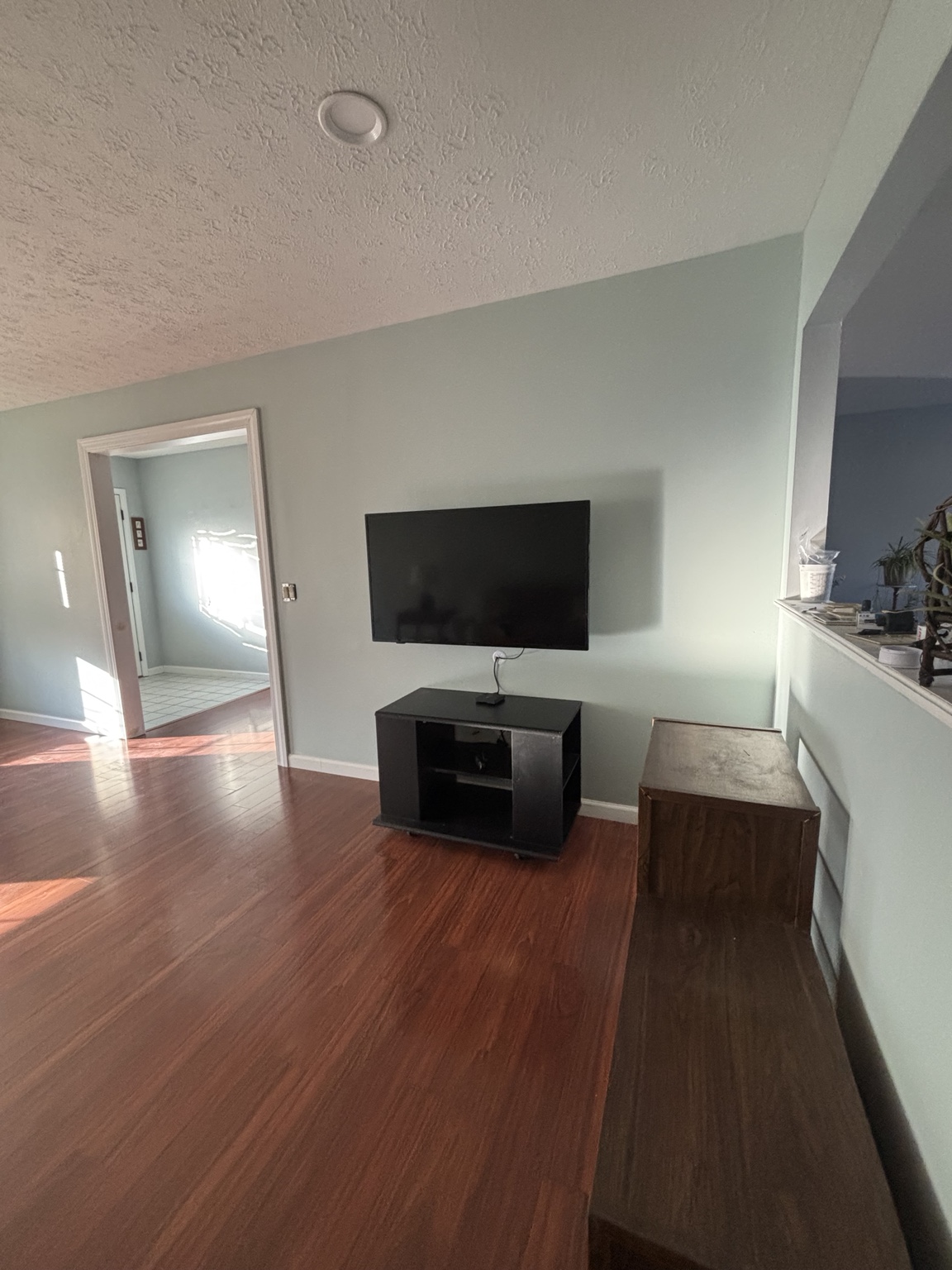
- TVs on stands or dressers. A flat TV is light at the base and top-heavy.
- Tall cabinets in garages and basements, the ones loaded with paint cans and tools.
Low, wide pieces like a long credenza or a nightstand usually don’t need it. If you can tip it with one hand pulling on the top edge, anchor it.
Picking an Anti-Tip Kit
Most furniture comes with a little kit in the hardware bag. Some are fine. Some are a plastic zip-tie strap that I wouldn’t trust on a heavy dresser. Here’s how they compare:
- Plastic zip-style straps: cheap and easy, but plastic gets brittle over time. Okay on a light bookcase, not my choice for a big dresser.
- Nylon webbing straps with metal brackets: a good middle option, and the usual choice for TVs because they’re adjustable.
- Steel cable or steel bracket kits: the strongest. This is what I’d use on a heavy dresser or wardrobe.
Whatever you buy, check the weight rating and make sure it comes with screws long enough to get well into the stud, not just through the drywall.
How to Anchor a Dresser or Bookcase, Step by Step
1. Empty it and pull it away from the wall
Take the drawers out or empty the shelves. It’s lighter, safer to move, and you won’t wreck anything if it shifts.
2. Find a stud
Run a stud finder across the wall at about the height of the top of the furniture. Studs are usually 16 inches apart, so once you find one you can measure to the next. Confirm it by drilling a small test hole where the bracket will cover it. If the bit hits wood after the drywall, you’re in a stud. If it suddenly pushes through into nothing, you missed.
Before you drill, think about what’s in the wall. Wires often run straight up and down from outlets and switches, so don’t drill directly above or below one.
3. Attach the bracket to the furniture
Mount the furniture-side bracket to something solid: the top rail, the top panel, or a side panel near the back. Don’t screw into the thin hardboard back panel. It will pull right out under load. Drill a pilot hole and use a screw short enough that it won’t poke through the top or side.
4. Attach the bracket to the wall
Mark the stud at the same height as the furniture bracket, or a little higher so the strap angles slightly down to the furniture. Drill a pilot hole and drive the wall screw into the stud.
5. Push it back and connect the strap
Slide the furniture back into place, connect the strap or cable, and pull out the slack. You want it snug, so the piece can’t lean forward more than an inch or so. Then load the drawers back in and give the top a firm pull to check it.
Baseboards and leaning furniture
Baseboards keep most furniture an inch or so off the wall at the bottom. That’s fine; the strap handles it. But if a dresser already leans forward on carpet, put a shim under the front feet so it tilts slightly back toward the wall. A dresser that leans forward is fighting you.
No Stud Where You Need It?
Sometimes the stud lands in the wrong place, like right at the edge of the furniture. A few options:
- Move the bracket. Most kits work fine with the furniture bracket off-center. One strap into a stud beats two into drywall.
- Use a toggle bolt. A heavy-duty toggle rated for the load holds far better than a plastic expansion anchor. I’d still take a stud over a toggle every time on a heavy dresser.
- Don’t use the plastic anchors from the kit on anything heavy. They’re made for pictures, not a falling dresser.
Plaster, Brick and Older East Side Walls
A lot of houses in Euclid, Cleveland Heights, South Euclid and the older suburbs still have plaster and lath. Stud finders often struggle on plaster, so be ready to drill a few test holes where the bracket will hide them. Put a piece of painter’s tape over the spot before you drill. It helps keep the plaster from chipping around the hole. Plaster plus lath is thicker than drywall, so use screws long enough to get through it and into the stud.
Not sure what you’ve got? Here’s how to tell if your walls are plaster or drywall.
Brick or block walls (common in basements) need masonry anchors and a masonry bit. That’s doable, but it’s a different job from drilling into wood studs.
How to Keep a TV From Tipping
- Wall-mounting is the best fix. A properly mounted TV can’t tip at all. It has to go into studs, though, not drywall anchors.
- If the TV sits on a stand, use a TV anti-tip strap kit. One end screws into the VESA mounting holes on the back of the TV, the other goes to the stand or the wall stud behind it.
- Anchor the stand too if it’s tall or narrow. Strapping a TV to a stand that tips over doesn’t help much.
- Don’t put a TV on a dresser unless the dresser is anchored. Kids climb the drawers to reach the TV or the remote.
- Older CRT TVs (the deep, heavy ones) are the worst. If you still have one on a dresser, move it to a low, sturdy base or get rid of it.
Time, Difficulty and Common Mistakes
Time: about 15 to 30 minutes per piece once you’ve found the stud. Plaster walls take longer.
Difficulty: easy if you can use a drill and a stud finder.
The mistakes I see most:
- The anchor kit is still in the hardware bag, unused.
- Screwing the furniture bracket into the thin back panel.
- Plastic drywall anchors instead of a stud or a toggle.
- Leaving a lot of slack in the strap, so the piece can still lean way forward before it catches.
- Anchoring the dresser but leaving the TV loose on top.
If you move the furniture later, the holes in the wall are small and easy to patch. A dab of spackle and a touch of paint covers them.
DIY or Call a Guy?
DIY if you have a drill and a stud finder and you’re anchoring to wood studs. This is one of the most worthwhile half-hour jobs in a house with kids or grandkids visiting.
Call a guy if you’ve got plaster walls and the stud finder isn’t helping, brick or block walls, a heavy antique you don’t want to drill wrong, or a whole house of furniture to do at once. It also makes sense to anchor while new furniture is being put together. I do that as part of furniture assembly, since the piece is already out from the wall. And if you’re mounting other things too, like floating shelves, the same stud-finding rules apply. For a sense of what else is a good fit for a handyman visit, see what a handyman can actually fix.
Local to Euclid or Cleveland’s east side? I anchor dressers, bookcases and TVs to the wall myself. See my Handyman Time Blocks in Euclid & Cleveland page, or text me a photo at 216-800-5883.
FAQ
Do I really need to anchor a heavy dresser?
Yes. Weight doesn’t make it stable. With drawers open, a heavy dresser tips just as easily, and it does more damage when it falls.
Can I anchor furniture without drilling into the wall?
Not reliably. Adhesive strips and furniture-to-floor tricks aren’t a substitute. If you rent, ask your landlord. A couple of small screw holes are easy to patch when you move out.
How many anti-tip straps does a dresser need?
Most kits use one or two. Two is better on a wide dresser, but one strap into a stud is better than two into drywall.
Will a stud finder work on plaster walls?
Sometimes. On plaster and lath it often gives false readings. Small test holes behind where the bracket will sit are the surest check.
Is wall-mounting a TV safer than a TV stand?
Yes, if the mount goes into studs and is rated for the TV. On a stand, use an anti-tip strap.

Scan to join our Loyalty Program, get a free coupon for your next service, and stay up to date on our services and articles.
Affiliate Note
Some of the links in this article are affiliate links. That simply means if you choose to buy through them, I may earn a small commission at no extra cost to you. As an Amazon Associate I earn from qualifying purchases. I only recommend products I trust and would feel comfortable installing in my own home or a client’s home.
If you try something I recommended and it turns out to be anything less than a five-star experience, please let me know. I always want these recommendations to be genuinely helpful.