
Short Answer
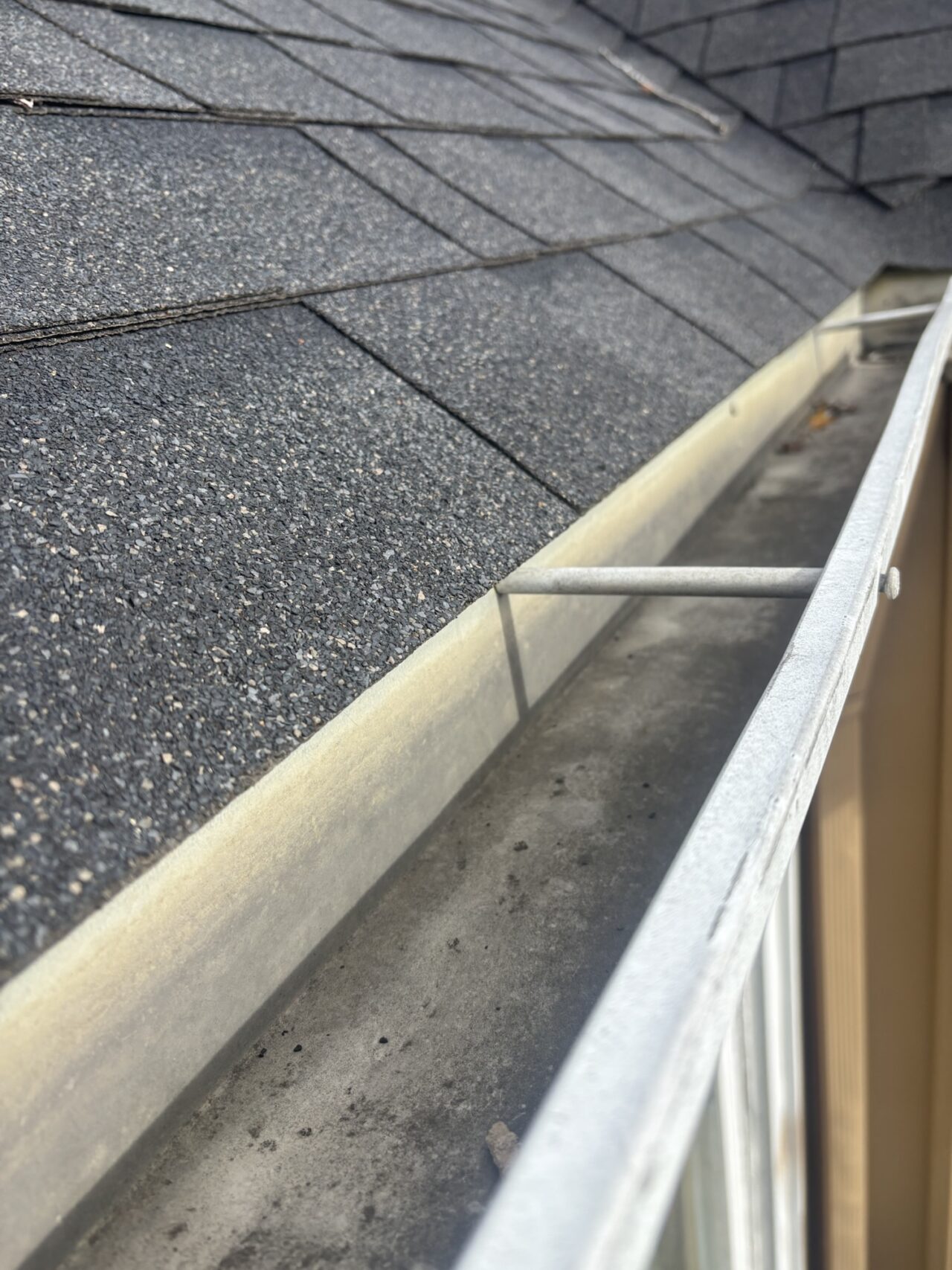
Most sagging gutters are a fastener problem, not a gutter problem. The old spikes or hangers have worked loose from the fascia, or there aren’t enough of them. Push the gutter back up to the right slope and add screw-in hidden hangers about every 24 inches (closer where snow and ice load up). If the fascia board behind it is soft or rotted, fix the wood first, because no hanger holds in rotten wood.
This box contains affiliate links. As an Amazon Associate I earn from qualifying purchases. See the affiliate note at the bottom of this post.
🧰 What I Use + Helpful Picks
The ladder and gloves are what I use on gutter jobs. The rest are well-reviewed options to compare, not specific products I’m vouching for. Match the hanger size to your gutter: measure across the top, since 5-inch and 6-inch are both common.
- My telescoping ladder: it fits in my small Jeep and reaches the gutters I work on
- My work gloves: the best work gloves I’ve used, and gutter edges are sharp
- 5-inch hidden gutter hangers with screws, the screw-in kind, not spikes
- A ladder standoff (stabilizer) so the ladder rests on the roof or wall instead of the gutter you’re fixing
- A 1/4-inch magnetic hex driver bit for driving hanger screws one-handed
A sagging gutter is easy to spot once you look for it: a dip in the line along the roof edge, water spilling over the front in one spot during a rain, or a gap between the back of the gutter and the house. Left alone, that low spot holds water and leaves, gets heavier, and pulls harder on whatever is still holding it up.
Before winter is the time to deal with it. A gutter full of ice weighs a lot more than a gutter full of leaves, and a section that’s already loose is the one that comes down.
Why Gutters Sag
- Loose spikes. Many older gutters still hang on the long spike-and-ferrule setup, where a nail goes through the front of the gutter, through a tube (the ferrule), and into the fascia. Fine Homebuilding notes that these spikes leave large holes, encourage rot and don’t hold well over time. Freeze-thaw cycles slowly work them back out.
- Too few hangers. Gutter maker AmeriMax’s installation sheet calls for one hanger every 24 inches, or every 18 inches in heavy ice and snow areas. Gutters hung with hangers 30 inches or more apart are more likely to bow between them.
- Weight. Clogged gutters hold water, wet leaves and, in winter, ice. That’s a big part of why the sag shows up after a few seasons of skipped cleanings.
- Rotted fascia. If the board behind the gutter is soft, the fasteners have nothing to grab. Water spilling over the back of a clogged or sagging gutter is usually what rots it.
- Ladders and snow slides. A ladder leaned on the gutter, or a sheet of snow sliding off the roof, can bend hangers and pull the gutter down in one spot.
First, Check the Fascia
From the ladder, look behind the gutter at the sagging spot and press on the fascia board with a screwdriver. Solid wood: you can rehang the gutter. Soft, crumbly, dark or stained wood: stop there. AmeriMax’s own instructions say to remove the old gutter, inspect the fascia and replace it if needed. That’s carpentry first, gutters second. Screwing new hangers into rotten wood just moves the problem a few months down the road.
How to Fix a Sagging Gutter
1. Pick a dry, calm day
Don’t do this in wind, rain or ice. Clean the gutter out first so you’re not lifting a trough full of wet leaves, and so you can see where the water sits.
2. Set up the ladder safely
Ohio State University Extension’s ladder guide gives the basics: for every 4 feet of height, set the base 1 foot out from the wall, keep three points of contact, and keep your body centered between the rails instead of reaching. Never lean the ladder on the section you’re fixing. That’s what a standoff is for. Use a wood or fiberglass ladder near the overhead power line, never aluminum.
3. Get the slope right
Gutters need to fall toward the downspout. AmeriMax says to drop about 1/4 inch for every 10 feet of gutter, and This Old House uses the same number as a minimum. The Department of Energy’s Building America Solution Center calls for more, at least 1/16 inch per foot (about 5/8 inch over 10 feet). On a short run, something in that range works. The test is simple: after the fix, run a hose at the far end and the water should move to the downspout without pooling.
A string line helps on a long run. Tack a string at the high end and the downspout end, then lift the sagging section up to the string.
4. Deal with the old spikes
If a spike has backed out, don’t just hammer it back into the same hole. It’ll pull out again. You can either pull it and replace it with a hidden hanger nearby, or, if you’re keeping spikes on that run for now, This Old House’s fix is to drive the spike into a fresh pilot hole about an inch from the old one and seal the old hole in the gutter with gutter sealant.
5. Add hidden hangers
Hidden hangers clip inside the gutter and screw through the back of the gutter into the fascia. To put one in:
- Hook the back of the hanger under the gutter’s back lip and the front under the front lip.
- Push the gutter up into position at the slope you marked.
- Drive the hanger’s screw through the back of the gutter into the fascia with a drill and a 1/4-inch hex bit. Snug, not stripped.
Space them about every 24 inches, and tighter (AmeriMax says 18 inches) anywhere snow and ice tend to build up. Fine Homebuilding recommends fastening hangers into the framing behind the fascia where you can, and JLC (the Journal of Light Construction) gives the same advice for spikes: through the fascia into the subfascia or rafter tails. Fasteners that only bite thin trim are the first to pull out.
6. Test it
Run water from the high end. Watch for pooling at the old low spot and for drips at the seams. If a seam that got flexed while you lifted the gutter starts leaking, reseal it from the inside. Here’s how to fix a leaking gutter seam or corner.
Tools and Materials
- Extension or telescoping ladder, ladder standoff, work gloves and safety glasses
- Gutter scoop and a garden hose
- Hidden hangers with screws, sized to your gutter
- Drill with a 1/4-inch hex driver bit
- Screwdriver (for probing the fascia), string line and a few nails
- Gutter sealant for old spike holes and seams
Time and difficulty: moderate. Adding hangers to one sagging section usually goes quickly once the ladder is set and the gutter is clean. Most of the time goes to moving the ladder safely. Redoing the slope on a whole run, or anything involving fascia, is a bigger job.
Common Mistakes
- Re-nailing spikes into the same holes. They’re loose because the hole is worn out.
- Skipping the fascia check. New hangers in rotten wood fail fast.
- Pushing the gutter up level. Level gutters hold water. Keep the fall toward the downspout.
- Leaning the ladder on the gutter. It bends the gutter and the new hangers.
- Not cleaning it first. A clogged gutter will sag again. See how often to clean your gutters.
Sagging Gutters and Winter
A low spot that holds water in November holds ice in January, and that extra weight is exactly what pulls a loose section off the house. Gutters that hold water also add to the ice along the roof edge. If you’re already seeing that, read what to do when you already have an ice dam, and for next year, how to prevent ice dams. Branches resting on the roofline can bend gutters too. Here’s what to do about branches over the roof. Gutters are also on my December home maintenance checklist.
DIY or Call a Guy?
DIY it: a section or two that’s pulled down on a gutter you can reach from a ladder set up safely on level ground, where the fascia is solid and the gutter itself isn’t bent or crushed.
Call a pro: if the fascia is rotted, the gutter is kinked or pulling off along a whole side, the run is too high to reach safely, or the whole thing is old enough that you’d be patching every few feet. A carpenter fixes the fascia, and a gutter company can rehang or replace the run.
Local to Euclid or Cleveland’s east side? I clean gutters myself, and a clean, empty gutter is where any sag fix starts. See my Gutter Cleaning in Euclid & Cleveland page, or text me a photo of the sagging spot at 216-800-5883 and I’ll tell you what it looks like it needs.
FAQ
How far apart should gutter hangers be?
About every 24 inches is the common recommendation. AmeriMax calls for every 18 inches in heavy ice and snow areas, which covers plenty of Northeast Ohio, especially in the snowbelt.
Are hidden hangers better than spikes?
For most K-style aluminum gutters, yes. Hidden hangers screw in and hold the gutter from inside, while spikes tend to work loose and leave large holes in the fascia over time.
Can I fix a sagging gutter in winter?
Only on a dry, calm day with the gutter empty and free of ice. A gutter full of ice is heavy, and the ladder footing is the bigger risk. If it’s frozen, wait for a thaw.
Why does my gutter sag in only one spot?
Usually a single hanger or spike has pulled out, the fascia is soft there, or something hit it: a ladder, a branch or snow sliding off the roof. Check that spot’s fascia first.
Do I need to take the gutter down to fix it?
Not for a loose section on solid fascia. You can add hangers with the gutter in place. If the fascia needs replacing, that section has to come down.
Sources
- AmeriMax: gutter installation instructions (PDF)
- Fine Homebuilding: Gutter hangers
- JLC: Ice-proof gutters
- This Old House: How to fix sagging gutters
- U.S. DOE Building America Solution Center: Gutters and downspouts
- Ohio State University Extension: Proper use of ladders

Scan to join our Loyalty Program, get a free coupon for your next service, and stay up to date on our services and articles.
Affiliate Note
Some of the links in this article are affiliate links. That simply means if you choose to buy through them, I may earn a small commission at no extra cost to you. As an Amazon Associate I earn from qualifying purchases. I only recommend products I trust and would feel comfortable installing in my own home or a client’s home.
If you try something I recommended and it turns out to be anything less than a five-star experience, please let me know. I always want these recommendations to be genuinely helpful.