
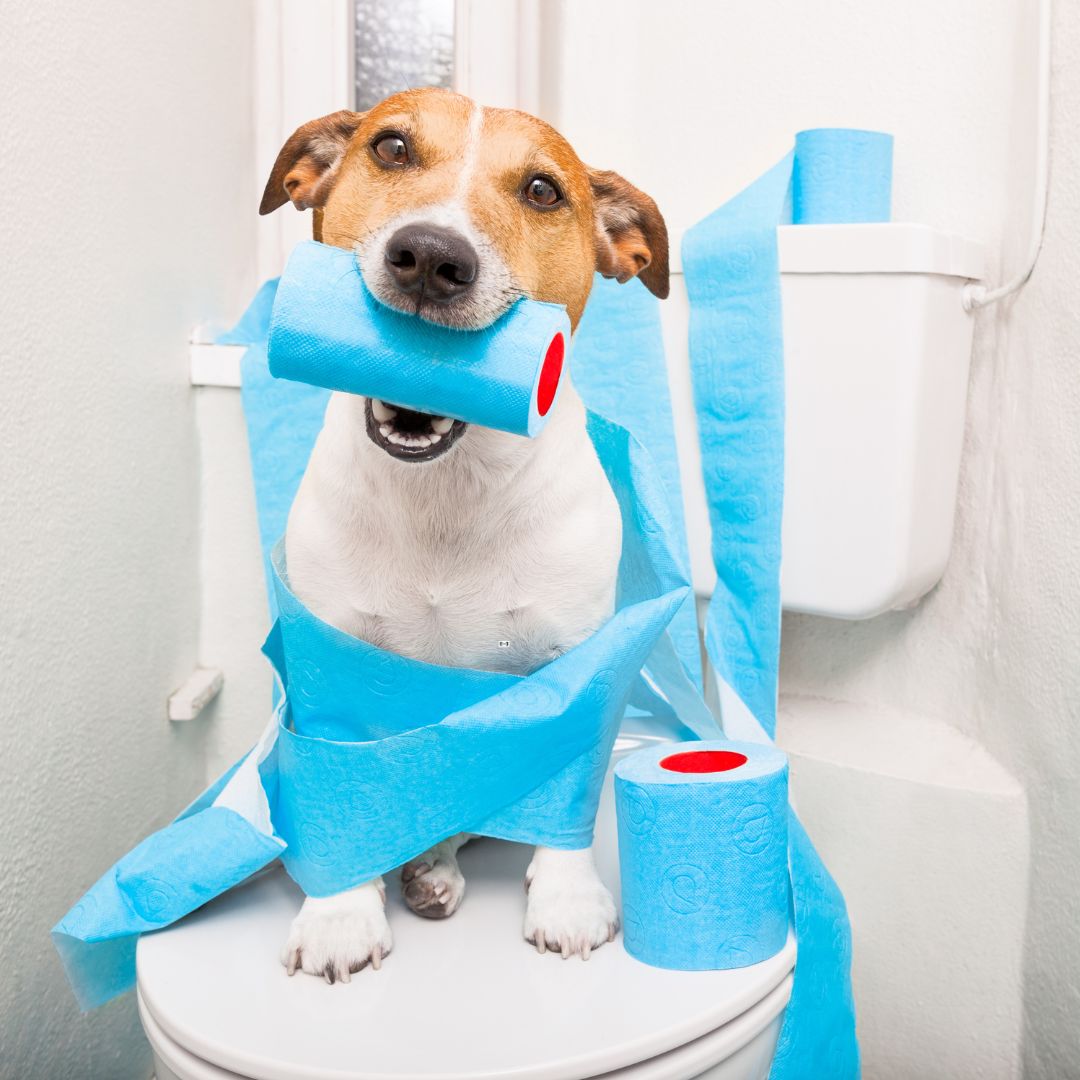
Short answer: only flush human waste and toilet paper. Everything else, including “flushable” wipes, paper towels, feminine products, cat litter, grease and medications, belongs in the trash or a proper disposal program.
Last updated: November 2026
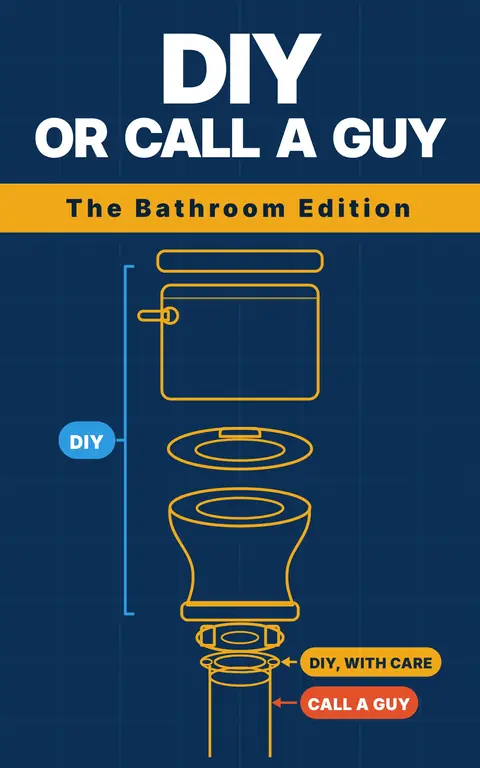
Not sure if a bathroom repair is a DIY job? I wrote a book for exactly that. DIY or Call a Guy: The Bathroom Edition covers 100+ bathroom problems, one page each, with a straight verdict plus the time, parts, skill level and what a pro would charge.
This box contains affiliate links. As an Amazon Associate I earn from qualifying purchases. See the affiliate note at the bottom of this post.
🧰 What You’ll Need
A few basics that keep the toilet clear and fix most minor problems. These are general recommendations, not specific brands I’m vouching for:
The kind with the extra rubber sleeve. It seals in a toilet bowl much better than a flat sink plunger.
Shop →
Reaches clogs in the trapway that a plunger can’t move, without scratching the bowl.
Shop →
The easiest way to keep wipes and hygiene products out of the bowl.
Shop →
A worn flapper is the usual cause of a running toilet. Check your toilet model for the right size.
Shop →
Rather not DIY it? If you’re in Northeast Ohio, text me a photo of the toilet and I’ll tell you what it needs.
Even the best toilets aren’t built to handle everything we send down them. Many so-called “flushable” products don’t break down fast enough, leading to clogs, costly repairs, or damage to your sewer or septic system.
If it’s not toilet paper or human waste, don’t flush it. From wipes and paper towels to kitty litter and leftover paint water, these common items can cause hidden plumbing problems that show up weeks later as slow drains or leaks around the base.
This guide explains why certain items cause issues, what you can safely flush, and how to keep your plumbing clear and odor-free for years.
🚽 The Golden Rule: Toilets Are Not Trash Cans
Modern toilets are designed for one simple job — to dispose of human waste and a small amount of dissolving toilet paper using about 1.28 to 1.6 gallons of water per flush.
Anything thicker, stickier, or slower to break down can cling inside your trapway, clog your drain line, or jam your sewer ejector pump.
Think of your toilet like your car’s gas tank — just because you can pour something in doesn’t mean you should.
🧻 Safe to Flush (Short List)
Only two things should ever go down the toilet:
✅ Human waste
✅ Toilet paper (septic-safe, unscented, and moderate in quantity)
Everything else belongs in the trash — and here’s why.
🧴 1. “Flushable” Wipes
-
The problem: Despite marketing claims, most flushable wipes don’t disintegrate quickly enough in water. They tangle together inside pipes and snag on small imperfections, forming “rag balls.”
-
Why it matters: Wipes are a leading cause of sewer blockages, and many sewer utilities ask customers not to flush them.
-
Better alternative: Keep a small covered trash can beside the toilet. For hygiene upgrades, install a Hello Tushy Bidet instead — cleaner, greener, and clog-proof.
🧷 2. Paper Towels and Tissues
-
The problem: Unlike toilet paper, paper towels and facial tissues are engineered to stay strong when wet.
-
Result: They swell and block the trapway, often creating slow flushes that get worse over time.
-
Fix: If you accidentally flushed one or two, use a plunger right away before they move deeper into the line.
🩸 3. Feminine Hygiene Products
-
The problem: Tampons, pads, and liners absorb and expand dramatically in water.
-
Result: They quickly wedge in elbows or the S-bend of your drain, and even professional augers sometimes can’t retrieve them intact.
-
Better practice: Wrap them in toilet paper and dispose of them in a sealed trash bin.
🪮 4. Cotton Balls, Swabs, and Dental Floss
-
The problem: Cotton and stringy materials don’t break apart — they wrap around pipe fittings and collect hair and grease.
-
Long-term risk: Creates a fibrous mass known as a fatberg, especially if mixed with soap scum or wipes.
-
Pro tip: Keep a small countertop trash container near your sink and vanity so these never make it to the toilet.
🐈 5. Kitty Litter (Even “Flushable” Kinds)
-
The problem: Cat litter — even biodegradable types — clumps and hardens when wet.
-
Environmental risk: It can also carry Toxoplasma gondii, a parasite harmful to marine life when it enters wastewater.
-
Rule: Always bag and toss litter. Never flush pet waste or bedding.
🩹 6. Bandages, Gauze, and Medications
-
The problem: Plastic-backed materials and adhesives don’t dissolve, while medications contaminate groundwater.
-
Safe disposal:
-
Bandages → trash.
-
Medications → a pharmacy or police-station take-back program. If none is available, the FDA suggests mixing them with something unappealing like used coffee grounds, sealing in a bag and tossing.
-
Don’t flush pills unless the label specifically says to. Even small amounts can affect water systems.
-
🧪 7. Cleaning Wipes and Disinfectant Pads
-
The problem: They’re reinforced with synthetic fibers that resist tearing (great for cleaning, bad for drains).
-
Result: They can jam in the toilet’s rim holes or trapway, reducing flush efficiency.
-
Pro tip: Wipe with disposable gloves, then throw away. To clean the bowl, use a toilet brush with a regular bowl cleaner or a vinegar soak, not wipes. (Skip in-tank bleach tablets; see the FAQ below.)
🪠 8. Hair, Dental Floss, and Small Debris
-
The problem: Hair acts like netting, catching lint and solids as they pass through.
-
Long-term effect: Hair tangles create mini filters inside pipes that trap sediment and slowly choke off flow.
-
Fix: Dispose of swept-up hair in the trash, not the bowl.
🧃 9. Grease, Oil, or Cooking Fat
-
The problem: Oils solidify as they cool, sticking to the pipe walls and forming waxy buildup.
-
Result: Restricts flow and amplifies future clogs.
-
Fix: Pour cooled grease into a disposable container and toss it.
-
Maintenance tip: Never pour boiling water into a toilet, since sudden heat can crack porcelain. Hot tap water is fine.
🧴 10. Paint, Solvents, and Cleaning Chemicals
-
The problem: Paint water, bleach, or strong chemicals corrode rubber seals in your toilet’s tank and can harm septic bacteria.
-
Result: Leads to leaks and premature part failure (especially the flapper and fill valve).
-
Better alternative: Use a 5-Gallon Utility Bucket for rinse water and dispose of it properly after painting or cleaning projects.
💊 11. Food Scraps or Coffee Grounds
-
The problem: Food fibers and oils clump together inside pipes, especially in cooler temperatures.
-
Bonus myth-buster: Coffee grounds don’t “freshen drains”—they compact and cause blockages.
-
Fix: Compost when possible or bag before tossing.
🪴 12. Dirt, Potting Soil, or Garden Waste
-
The problem: Soil settles and hardens at the bottom of the trap, turning into a literal mud plug.
-
Result: You’ll see partial flushes or rising water that slowly drains after several minutes.
-
Pro tip: If you’re rinsing garden tools, do it in a utility sink instead of the toilet.
🧼 13. Flushable Catheters or Medical Tubing
-
The problem: PVC or latex-based plastics do not dissolve and can get stuck in the S-bend.
-
Solution: Seal in a bag and discard with household waste.
⚠️ Bonus: Excessive Toilet Paper
Even legitimate toilet paper can cause problems if used in excess — especially “ultra-soft” or multi-ply types. These take longer to disintegrate and often catch on imperfections in older cast-iron pipes.
-
Pro tip: Two to three squares per wipe is plenty.
-
For septic systems: Use septic-safe single-ply paper and flush twice if needed.
🛠️ What Happens When You Flush the Wrong Thing
When non-flushable items enter your system:
-
They snag inside the toilet trapway or drain elbow.
-
Over time, each flush adds more debris until the passage narrows.
-
You notice gurgling, slower flushing, or the need to plunge often.
-
Eventually, water backs up or leaks appear at the wax ring from pressure buildup.
A simple clog can turn into hundreds of dollars in plumbing costs—or worse, water damage to your floor.
If your toilet starts gurgling or you’ve accidentally flushed something large, turn off the shut-off valve (here’s how to find your shut-off valves) and try a Korky 6-Foot Toilet Auger before calling a professional.
💡 Maintenance Tip: Give Your Toilet a Monthly Check
-
Inspect the flapper for wear.
-
Ensure the fill valve stops cleanly at the water line.
-
Check for leaks at the supply line or shut-off valve.
-
Pour a little white vinegar in the bowl and let it sit to loosen light mineral buildup (hot tap water, never boiling).
If water constantly runs or you see mineral stains that won’t scrub away, it might be time to replace worn internal parts. Here’s a guide to the parts of a toilet and what to do when they break.
Recommended parts:
🧾 Conclusion
Your toilet is one of the hardest-working fixtures in your home, but it’s also one of the most misunderstood. Following the simple “toilet paper and waste only” rule can prevent most clogs and extend the life of your plumbing.
If you suspect buildup or repeated slow flushing, don’t keep plunging, since repeated hard plunging can disturb the wax ring.
Instead, schedule a quick inspection or replacement. A professional can clean, reseal, or replace the unit and ensure your supply lines and shut-off valve are in perfect condition.
For most homeowners, that peace of mind is worth far more than the cost of a service call.
When to Call a Licensed Plumber
- More than one drain is backing up (toilet plus tub, shower or floor drain). That points to the main sewer line, not just the toilet.
- Water or sewage is coming up from a floor drain or around the base of the toilet.
- The floor around the toilet is soft or stained, which can mean a long-term leak at the wax ring.
- A plunger and auger haven’t cleared it. Don’t pour chemical drain cleaner in the toilet; it can damage parts and splash back on you.
Wear gloves and eye protection when plunging or snaking, and clean up any overflow with a disinfectant.
Frequently Asked Questions
Can I flush flushable wipes if I have a newer toilet?
No. Even high-efficiency toilets rely on narrow trapways. Wipes still cause buildup over time.
Is it okay to flush hair if it’s just a few strands?
No. Hair doesn’t dissolve; it collects and traps solids.
What if my toddler flushed a toy or wipe?
Turn off the shut-off valve immediately to avoid overflow and use a toilet auger. If it’s still stuck, call a pro—forcing it may crack the porcelain.
Can bleach tablets damage my toilet?
Yes. Long exposure weakens rubber seals and flappers. Use liquid cleaner or vinegar instead.
My toilet drains slowly—did I already clog it?
Likely. Try a plunger first. If it persists, you may need to remove buildup inside the trapway or snake the drain.
Related Guides
- Understanding the Parts of a Toilet
- Things to Know Before Buying a Toilet
- How to Find and Use Your Main Water Shut-Off
- Should You Turn Off the Main Valve on Vacation?
Want It Done for You?
Colin Can Help handles toilet repairs and replacements, flappers, fill valves and wax rings across Northeast Ohio. The fastest way to get a quote is to text a photo.
📱 Text Colin a Photo See toilet repair services →

Scan to join our Loyalty Program, get a free coupon for your next service, and stay up to date on our services and articles.
Affiliate Note
Some of the links in this article are affiliate links. That simply means if you choose to buy through them, I may earn a small commission at no extra cost to you. As an Amazon Associate I earn from qualifying purchases. I only recommend products I trust and would feel comfortable installing in my own home or a client’s home.
If you try something I recommended and it turns out to be anything less than a five-star experience, please let me know. I always want these recommendations to be genuinely helpful.