What Size Drywall Should I Use?

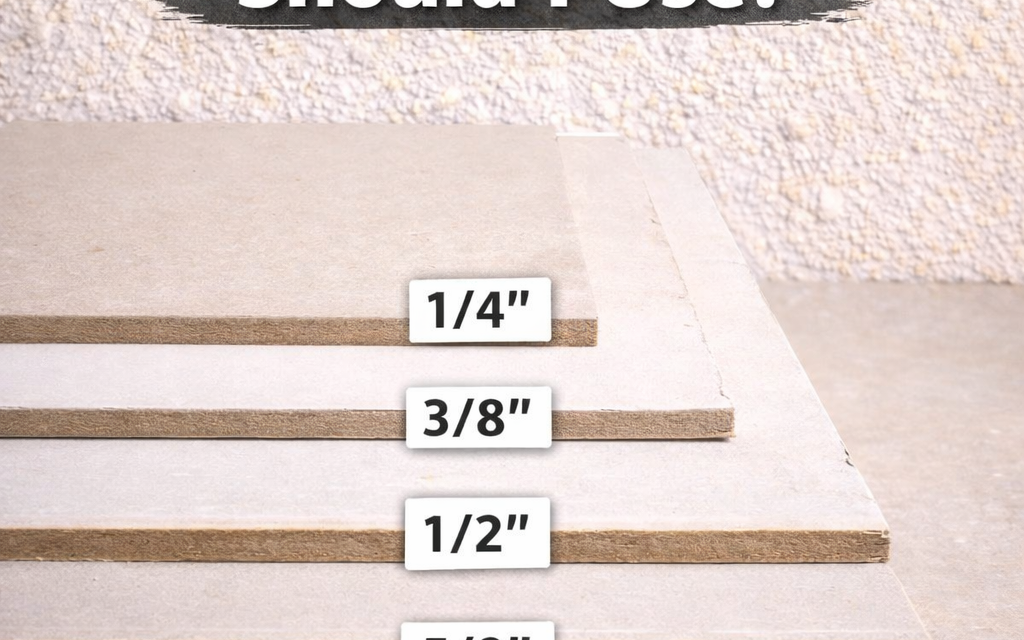
Short Answer:  For most interior walls in a house, use 1/2-inch drywall. For ceilings or areas that require fire resistance, use 5/8-inch drywall. In bathrooms, kitchens, and basements, the drywall type matters too. Mold-resistant drywall is often worth the small upgrade, even when the thickness stays the same. That covers 90 percent of residential projects....

How Long Does Drywall Mud Take to Dry?

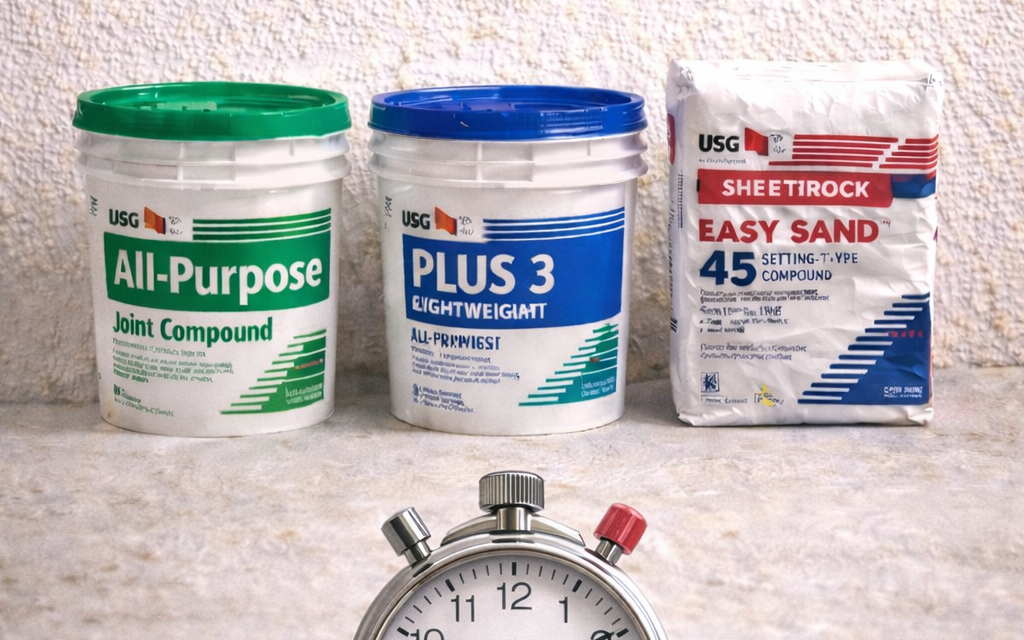
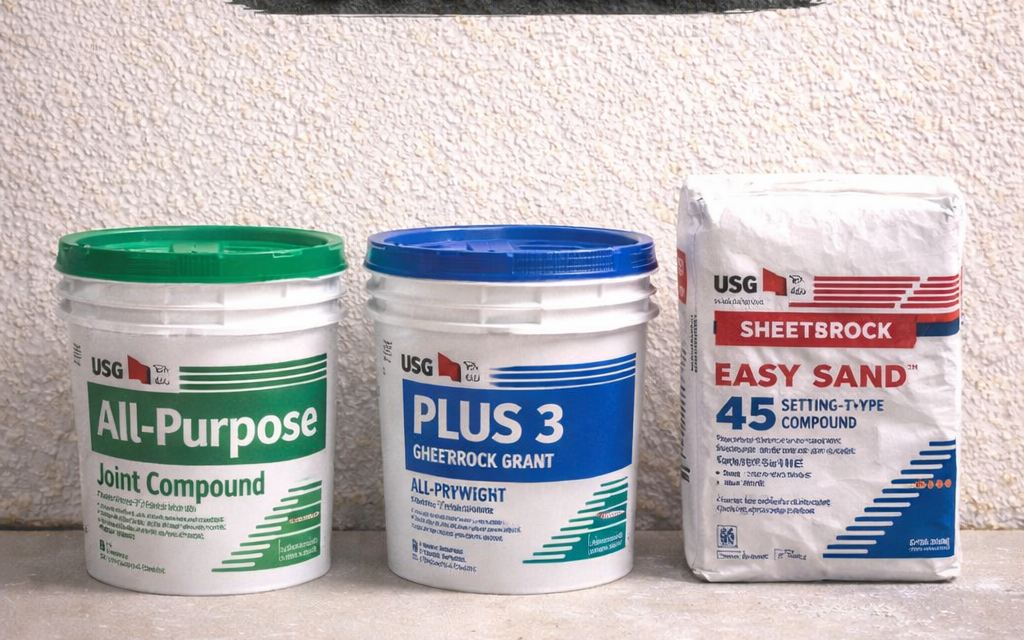
Short Answer: Most drywall mud takes 12 to 24 hours to dry between coats. That depends on the type of compound, thickness of application, temperature of the room, humidity inside and outside, and airflow. If you are in a time crunch, setting-type compounds (hot mud) set much faster than premixed joint compound. Now let’s break this...

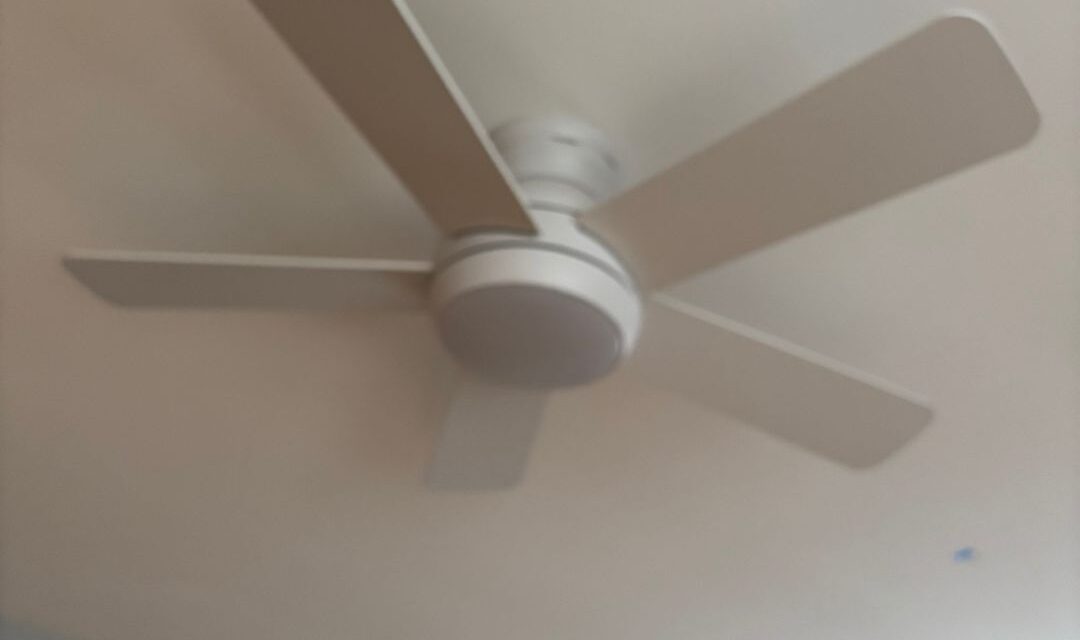
What size ceiling fan do I need for my room?

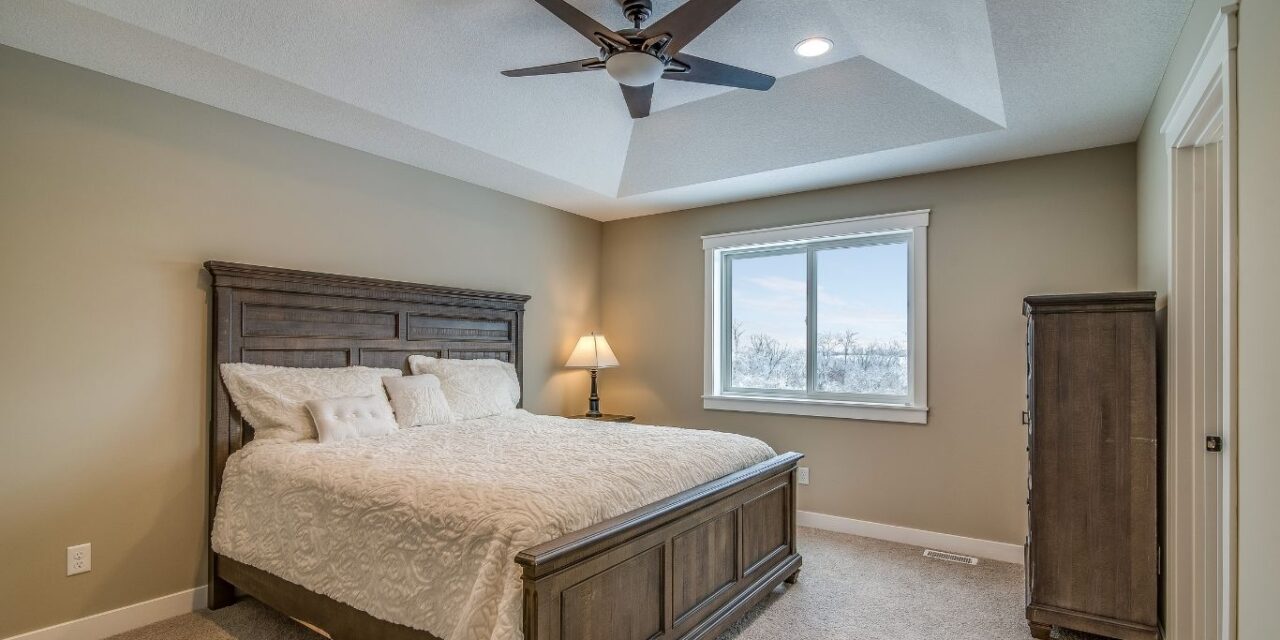
Ceiling fan size isn’t just about looks — it’s about airflow, comfort, and efficiency.A fan that’s too small won’t circulate enough air, while one that’s too large can overwhelm the space, cause wobbling, or even waste energy.Getting the right size makes your room feel cooler in summer, warmer in winter, and perfectly balanced all year...

How many blades should a ceiling fan have?

It’s easy to assume that more blades mean more airflow — but that’s not actually true.The number of blades affects look, sound, and efficiency, not how “strong” the fan is. Most modern fans have 3 to 5 blades, and the best choice depends on your room’s size, style, and how quiet you want it to...

Both AC and DC ceiling fans can keep your home comfortable — the difference comes down to how they move power and how much control you want over performance.AC fans are reliable workhorses that have been cooling homes for decades. DC fans are the modern upgrade — quieter, more efficient, and usually smarter. The right...

Colin Can Help LLC, 2026 © All Rights Reserved