What Size Drywall Should I Use?

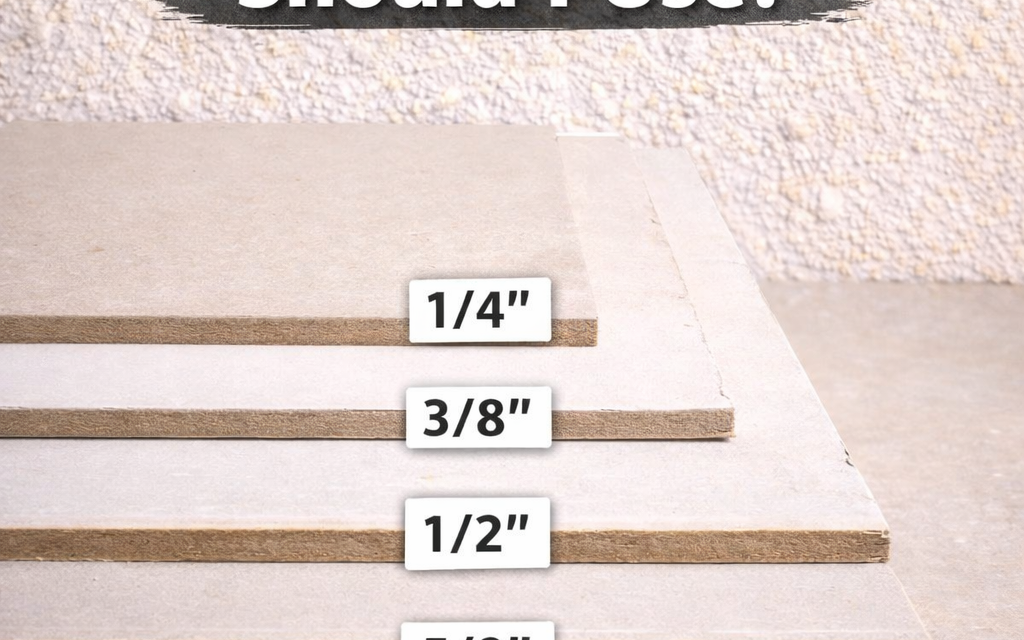
Short Answer:  For most interior walls in a house, use 1/2-inch drywall. For ceilings or areas that require fire resistance, use 5/8-inch drywall. In bathrooms, kitchens, and basements, the drywall type matters too. Mold-resistant drywall is often worth the small upgrade, even when the thickness stays the same. That covers 90 percent of residential projects....
What Type of Screws Should I Use for Drywall?

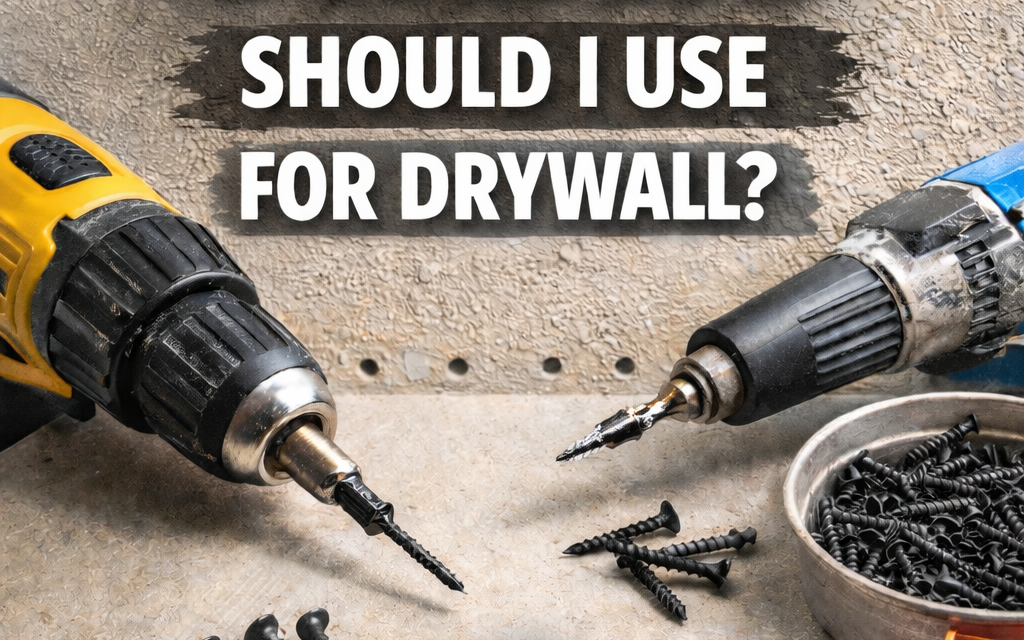
Short Answer: If you are installing drywall over wood studs, use coarse thread drywall screws. If you are installing drywall over metal studs, use fine thread drywall screws. For standard 1/2-inch drywall on wood framing, 1-1/4-inch screws are the right size. That handles most residential projects. Now let me explain why that matters and where...

How Do I Install Drywall Corner Bead?

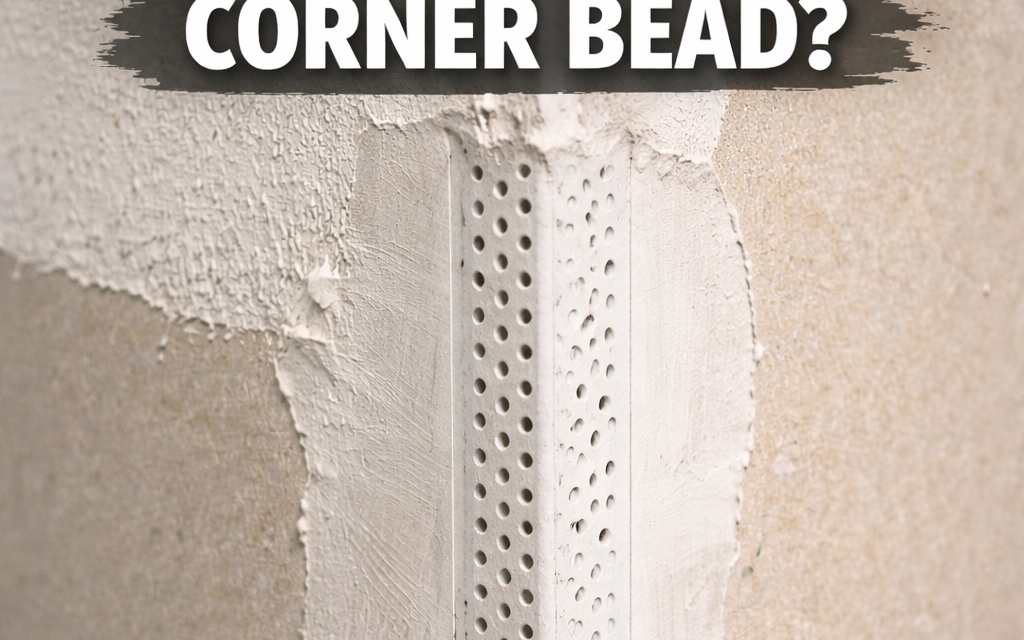
Short Answer: To install drywall corner bead correctly: Cut the bead to length. Secure it straight and tight to the corner. Apply thin coats of joint compound. Feather each coat wider than the last. Sand lightly and prime before painting. Straight bead plus thin coats equals clean corners. Now let’s go step by step the...

How Long Does Drywall Mud Take to Dry?

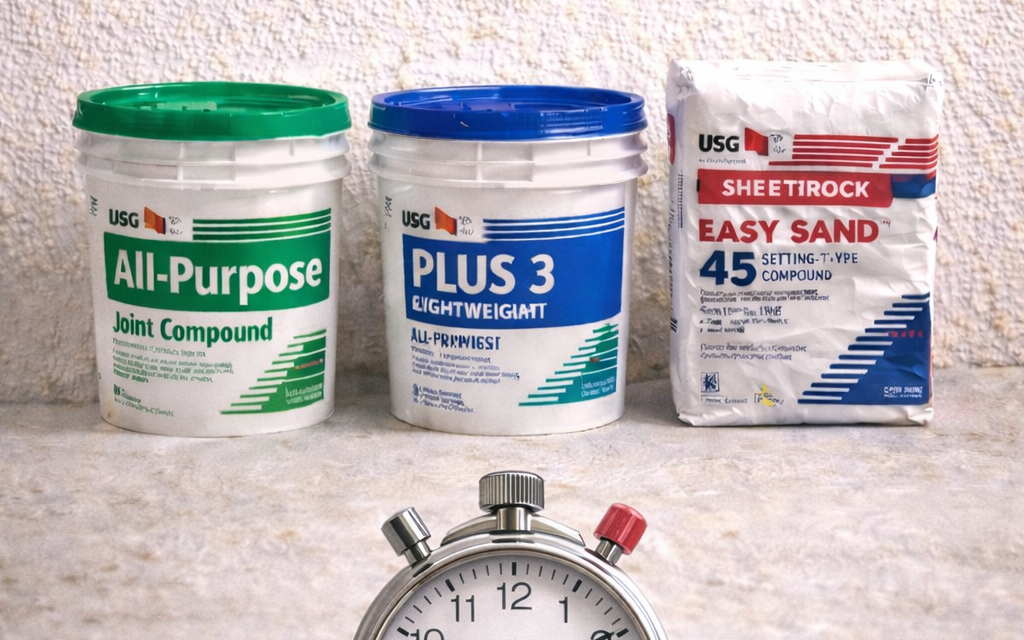
Short Answer: Most drywall mud takes 12 to 24 hours to dry between coats. That depends on the type of compound, thickness of application, temperature of the room, humidity inside and outside, and airflow. If you are in a time crunch, setting-type compounds (hot mud) set much faster than premixed joint compound. Now let’s break this...

DIY vs Professional Smoke & CO Detector Installation: When to Call a Pro Introduction Smoke and carbon monoxide detectors look simple. They are small.They mount with a bracket.Many are battery powered. For a lot of homeowners, that automatically puts them in the “easy DIY project” category. And sometimes, that’s true. But the real questions are:...

When Cleveland’s lawn-mowing season wraps up, your outdoor equipment needs just as much care as your lawn.Proper winterization prevents rust, fuel issues, and engine damage—saving you from expensive repairs or early replacements in the spring. In short: Clean, drain, protect, and store.This guide explains step-by-step how to prepare your mower, trimmer, blower, and other yard...

Ice dams form when warm air from your home melts roof snow that refreezes at the eaves, causing water to back up under shingles and leak inside. To prevent them, focus on attic insulation, ventilation, and sealing air leaks — not just roof raking.Before snow hits Northeast Ohio, inspect your roof, clean gutters, and improve...

Colin Can Help LLC, 2026 © All Rights Reserved