
Sink shut-off valves (also called angle stops) are the two small valves under your sink that control hot and cold water to the faucet. If they’re old, stuck, or leaking — and especially if you’re already swapping out a vanity or faucet — it’s smart to replace them. Doing so adds safety, improves reliability, and future-proofs your plumbing for the next 10+ years.
Last updated: November 2026
This box contains affiliate links. As an Amazon Associate I earn from qualifying purchases.
🔧 What You’ll Need to Replace a Shut-Off Valve
These are general recommendations, not personal picks. They’re links to well-reviewed options on Amazon. Check your pipe size and type (copper, PEX, threaded) before you buy.
Quarter-turn angle stop valves → Braided faucet supply lines → Compression sleeve pullers → Adjustable wrenches → Thread seal tape →
First, know how to find and use your main water shut-off. If your valves are soldered on, or the pipe is corroded or cracks when you touch it, call a licensed plumber.
What Are Sink Shut-Off Valves?
Shut-off valves are the small valves located under your bathroom sink, typically attached to the wall or floor. There’s one for hot water and one for cold. Their job is simple but critical: they allow you to turn off water to the faucet without shutting off water to your entire house.
How Shut-Off Valves Work
Most shut-off valves fall into one of two categories:
🔘 Compression (Multi-Turn) Valves
- Older style with a round handle that turns multiple times
- Uses a rubber washer and stem to stop water flow
- More prone to leaks, especially after years of not being touched
- Found in many homes built before 2000
🔄 Quarter-Turn Ball Valves
- Modern design with a lever handle
- Uses an internal brass ball to open and close the water line
- Much more durable, reliable, and easier to operate
- Ideal for shut-offs that need to be used in emergencies
Why Shut-Off Valves Fail Over Time
Shut-off valves are often ignored for years, which leads to:
- Seized stems (can’t turn the handle)
- Leaky packing nuts
- Corrosion and mineral buildup
- Complete failure to stop water flow when needed
Many homeowners only discover a bad shut-off valve when it’s too late — during a repair, emergency, or leak.
Should You Replace Them During a Vanity Install?
Yes — almost always. Here’s why:
✅ You already have access
When the vanity is out, it’s the easiest and cleanest time to replace old valves. No cabinet walls or drawers to work around.
✅ Peace of mind for the next 10+ years
New shut-off valves will work when you need them. Older ones might not. A simple $15 upgrade now can prevent hundreds in damage later.
✅ Better compatibility with modern fixtures
Newer valves are often better matched to today’s flexible braided supply lines and high-efficiency faucets.
Bottom line from professionals like us:
If you’re changing out a vanity or faucet and don’t replace the valves, you’re passing up one of the most affordable ways to future-proof your plumbing while everything’s already exposed.
How to Tell If Your Shut-Off Valves Need Replacement
- They won’t turn or require pliers to budge
- They leak around the stem or handle
- The handle is rusted, loose, or stripped
- Water doesn’t fully stop when turned off
- They haven’t been touched in 10+ years
What’s Involved in Replacing a Shut-Off Valve?
Replacing a shut-off valve is a straightforward process for a plumber or handy homeowner. Here’s what it typically involves:
- Shut off the main water supply, then open a low faucet to drain the line
- Disconnect the supply line
- Use a wrench to remove the old valve (compression or threaded)
- Install a new valve with a new compression sleeve (ferrule) and nut, or thread tape on threaded connections only. Don’t put thread tape on compression fittings.
- Reconnect supply line and test for leaks
Time estimate: 15–30 minutes per valve
Tools needed: Two adjustable wrenches, a bucket and towels, thread tape for threaded valves, and possibly a compression sleeve puller
Doing the whole vanity? Here’s how to remove an old vanity without damaging the wall or floor, and whether to install the vanity or faucet first.
Types of Connections to Know
- Compression fitting: Most common in copper pipe setups — easy to work with and replace
- Push-fit (SharkBite) valves: Tool-free, fast installs — popular with DIYers
- Sweat (soldered) connections: Require torch and plumbing skill — usually handled by a pro
Cost to Replace Shut-Off Valves
- DIY Parts: $10–$25 per valve
- Pro install: Typically $75–$150 for both valves if done during vanity/faucet work
- Emergency call: Easily $250+ if one fails unexpectedly
💬 Frequently Asked Questions
What is a sink shut-off valve used for?
A shut-off valve allows you to stop water flow to just the sink faucet, without shutting off the water to the whole house. It’s critical for safe repairs and emergency control.
How long do shut-off valves last?
Typically 10–15 years for compression valves, and 20+ years for quarter-turn ball valves. But lifespan varies based on usage, water quality, and material.
Should I replace the valves when I install a new vanity or faucet?
Yes — this is the best time to replace them. You already have access, and installing new valves ensures you won’t run into trouble during future plumbing work.
How can I tell if my shut-off valve is bad?
If it’s hard to turn, doesn’t stop the water flow, or leaks from the handle or stem — it’s time for a replacement.
Can I replace a shut-off valve myself?
Yes, if you’re comfortable shutting off the main water supply and using basic plumbing tools. If your valve is soldered on or stuck, hiring a pro is safer and faster.
My faucet is leaking. Is it the valve or the faucet?
Dry everything off, then watch where the water shows up first. Drips at the spout or handle are usually the faucet itself (see how to stop faucet leaks). Water around the valve stem or supply-line nut points to the shut-off or its connection.
Want It Done for You?
Colin Can Help replaces vanities, faucets and shut-off valves for homeowners across Northeast Ohio. We’re locally owned in Euclid and fully insured. Text a photo of what’s under your sink and I’ll tell you what it needs. For soldered valves, corroded pipes or anything behind the wall, a licensed plumber is the right call. More on the plumbing jobs we handle.
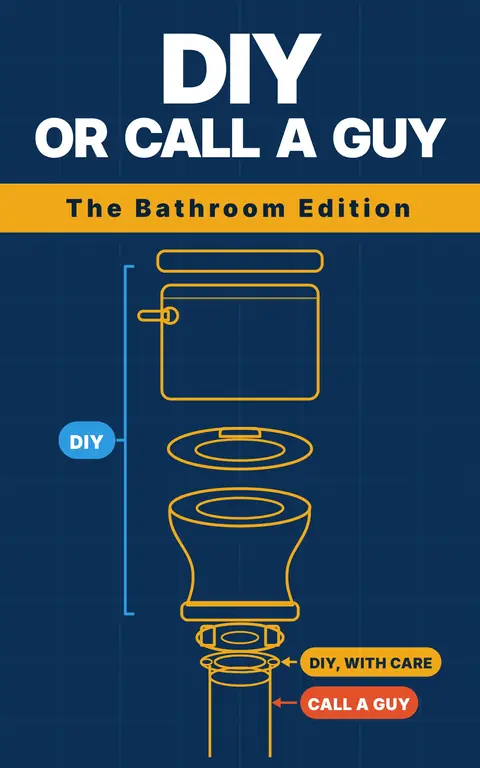
Not sure if a bathroom repair is a DIY job? I wrote a book for exactly that. DIY or Call a Guy: The Bathroom Edition covers 100+ bathroom problems, one page each, with a straight verdict plus the time, parts, skill level and what a pro would charge.
📱 Text Colin a Photo See all handyman services →

Scan to join our Loyalty Program, get a free coupon for your next service, and stay up to date on our services and articles.
Affiliate Note
Some of the links in this article are affiliate links. That simply means if you choose to buy through them, I may earn a small commission at no extra cost to you. As an Amazon Associate I earn from qualifying purchases. I only recommend products I trust and would feel comfortable installing in my own home or a client’s home.
If you try something I recommended and it turns out to be anything less than a five-star experience, please let me know. I always want these recommendations to be genuinely helpful.