

In most Northeast Ohio homes with a basement, the main water shut-off is on the front foundation wall, where the water line comes in from the street, usually right next to the water meter. To close it, turn a lever handle a quarter turn so it sits crosswise to the pipe, or turn a round wheel handle clockwise until it stops. Then open a faucet to confirm the water stops.
Last updated: November 2026
This box contains affiliate links. As an Amazon Associate I earn from qualifying purchases.
🔦 Handy to Have Near Your Main Shut-Off
These are general recommendations, not personal picks. They’re links to well-reviewed options on Amazon. A light and a wrench help in an emergency, and a leak alarm or automatic shutoff can catch a problem before you’re home to turn the valve.
Adjustable wrenches → Headlamps → Water leak alarms → Smart water shutoff valves → Pipe insulation →
Never force a stuck valve with a long wrench or cheater bar: old gate valves and the pipe around them can crack. Don’t touch the water meter or the curb valve at the street; those belong to your water department. If your main valve won’t close or leaks, call a licensed plumber.
Why the Main Water Shut-Off Valve Matters
Before replacing a bathroom vanity, removing a faucet, or fixing a leak, the first step is always the same: shut off the water.
That’s easy if your under-sink shut-off valves work. But if they’re stuck or missing, you’ll need to use your main shut-off valve — the master control for your home’s water system. It’s also the first thing you’ll need in a plumbing emergency, like a burst pipe or overflowing fixture. (If water is already on the floor, here’s what to do when a wall gets water damaged.)
And yet… most homeowners have no idea where to find it.
This guide walks you through everything: how to locate it, how it works, and what to do if you can’t shut it off.
🔎 Where to Find the Main Water Shut-Off Valve
The shut-off valve is typically located where the main water line enters your home. The exact location depends on your foundation and layout.
🏠 In a Basement (Most Common in Ohio and Northern U.S. Homes):
-
Look along the front wall of your basement, facing the street
-
It may be where the water meter is installed
-
You’ll usually see a vertical pipe entering through the floor or wall, with a valve attached
🏡 On a Slab Foundation (No Basement):
-
Check inside the utility room, garage, or laundry area
-
It’s often behind an access panel near the water heater or inside a lower cabinet
-
Sometimes located near the front hose bibb (especially in older homes)
🏘️ In a Crawlspace:
-
Look along the rim joist or where plumbing lines rise into the house
-
May require crawling under and following the copper or PEX lines to the entry point
🧱 In Exterior Meter Boxes (Rare but Possible in Mild Climates):
-
Open the water meter box near the curb with a meter key or flat tool
-
You may see a homeowner-accessible shut-off next to the city’s valve
🚪 What the Valve Looks Like
There are two main types:
🔘 Gate Valve (Round Handle):
-
Turn the wheel handle clockwise to close
-
More common in older homes
-
Can seize over time or fail to fully seal
🔄 Ball Valve (Lever Handle):
-
Turn the lever 90 degrees (perpendicular to the pipe) to shut off
-
Common in modern homes
-
Easier to operate and more reliable
If you see a T-shaped keyhole in a sidewalk or lawn box — that’s usually the municipal shut-off, and you shouldn’t touch it unless directed by your water department.
✅ How to Test and Use the Shut-Off Valve
To shut off the water:
-
Turn off all faucets and appliances
-
Turn the valve fully clockwise (wheel) or perpendicular (lever)
-
Open a faucet in the house (usually a basement laundry tub or first-floor faucet) — the water should stop running within a few seconds
To turn it back on:
-
Slowly turn the valve back to the open position
-
Let the faucet run until air bubbles stop and water flows normally
Maintenance Tip:
-
Test it twice a year to make sure it’s not seized
-
Spray with WD-40 or PB Blaster if stiff — but don’t force it with tools, or you could crack the pipe
🛠️ What If You Can’t Find It?
-
Trace your indoor plumbing backward from sinks or water heaters — follow the supply line until you find its entry point
-
Ask your local utility — they often keep records of main shut-off locations for your address
-
If you still can’t find it, you may need to hire a plumber to install a more accessible shut-off or identify hidden lines
💬 Frequently Asked Questions
What does the main water shut-off valve do?
It controls the flow of water into your entire home. Turning it off stops all indoor and outdoor water usage until reopened.
Is it safe to shut off the main water valve myself?
Yes — homeowners are expected to know how to shut it off. Just avoid forcing it with tools, especially older gate valves, as that can damage the valve or connected pipe.
What if I turn off the valve and water keeps flowing?
Your valve may be faulty or not fully sealing. If you have a street-side curb shut-off, you’ll need to contact your local water department or plumber to stop water at the source.
Can I use the main shut-off instead of under-sink valves when replacing a faucet?
Yes — but make sure no one else in the house turns on water during your work, or pressure could flood the open lines. Always drain the lines fully by opening a faucet after shut-off.
Should I replace my main shut-off valve?
If it’s older than 20–30 years, is difficult to turn, or doesn’t fully stop water, it’s worth replacing with a modern ball valve for safety and ease of use. Replacing the main valve usually means the water department has to shut the water off at the street, so it’s a job for a licensed plumber, not a DIY project.
Does turning off the main valve affect the water heater?
It stops cold water from entering the heater, so once the tank empties, there’s no more hot water. If you’ll be draining the lines or the water will be off for a while, turn an electric water heater off at the breaker so the elements don’t run in an empty tank, and set a gas heater to its vacation or pilot setting. Follow the manufacturer’s instructions, and call a licensed plumber if you’re not sure.
Should I turn off the main valve when leaving for vacation?
Yes — especially in winter. Turning off the main water supply protects your home from surprise leaks or pipe bursts while you’re away.
Need a Hand?
If your main valve is buried behind shelving, won’t turn, or you just want someone to show you where it is, text Colin a photo of your basement wall or meter area. Colin Can Help is fully insured and rated 4.9 stars on Google, serving homeowners across Cuyahoga and Lake County. For a valve replacement at the main, we’ll point you to a licensed plumber.
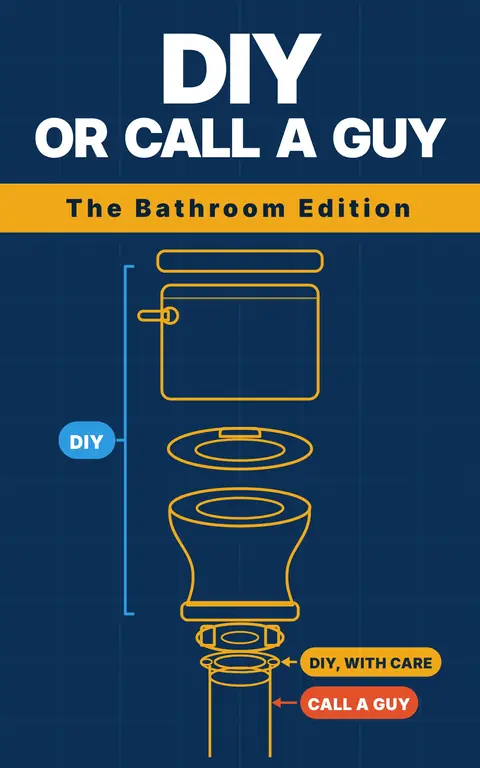
Not sure if a bathroom repair is a DIY job? I wrote a book for exactly that. DIY or Call a Guy: The Bathroom Edition covers 100+ bathroom problems, one page each, with a straight verdict plus the time, parts, skill level and what a pro would charge.
📱 Text Colin a Photo See all handyman services →
Related Guides
- Should I Turn Off the Main Valve When Leaving for Vacation?
- How to Winterize Your Pipes to Prevent Freezing
- Protect Your Outdoor Faucets From Freezing
- How Your Bathroom Sink Works

Scan to join our Loyalty Program, get a free coupon for your next service, and stay up to date on our services and articles.
Affiliate Note
Some of the links in this article are affiliate links. That simply means if you choose to buy through them, I may earn a small commission at no extra cost to you. As an Amazon Associate I earn from qualifying purchases. I only recommend products I trust and would feel comfortable installing in my own home or a client’s home.
If you try something I recommended and it turns out to be anything less than a five-star experience, please let me know. I always want these recommendations to be genuinely helpful.