
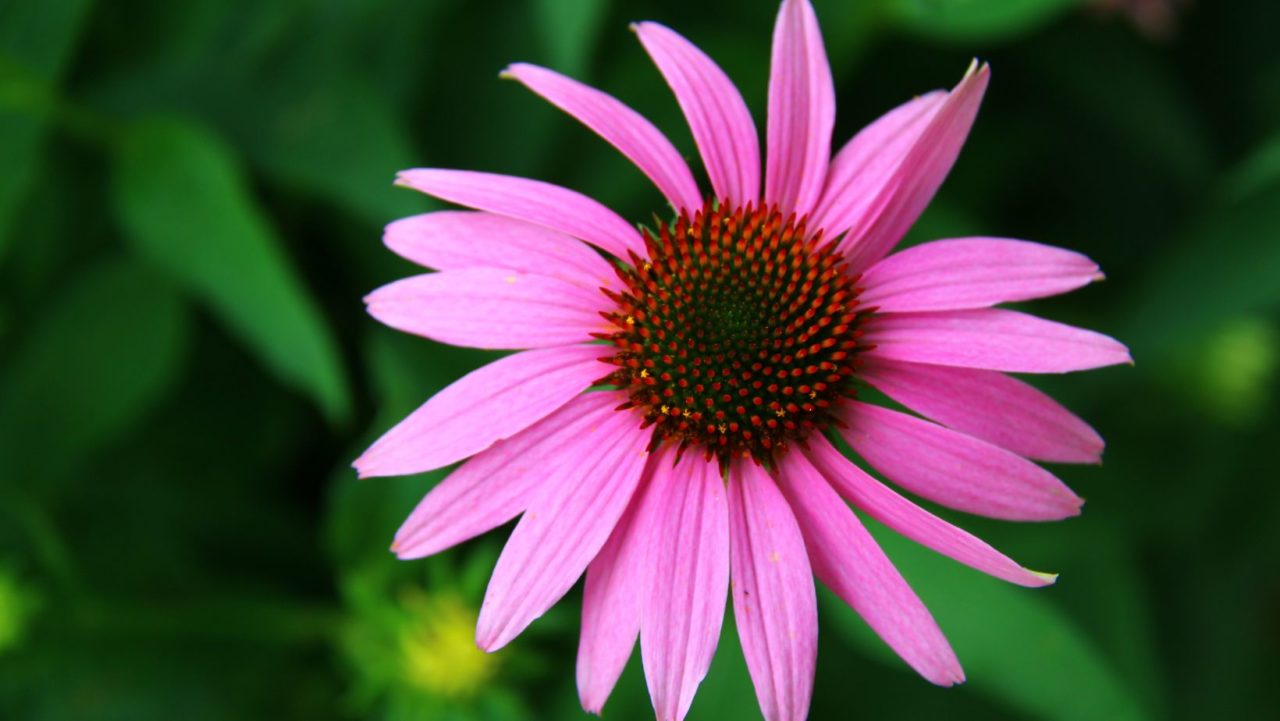
Short answer: pick plants rated for USDA zones 6a–6b that match your yard’s sun, soil and drainage, and lean on Ohio natives. Natives like black-eyed Susan, purple coneflower, New England aster, switchgrass and serviceberry handle Cleveland’s cold winters, humid summers and heavy clay soil with far less fuss than many nursery imports.
Last updated: November 2026
This box contains affiliate links. As an Amazon Associate I earn from qualifying purchases.
🧰 Helpful Picks
These are well-reviewed tools for sizing up your yard before you plant, not products I personally vouch for.
Checks pH and basic nutrients so you know whether your soil suits what you want to grow. The OSU Extension office can also point you to a lab test.
See options on Amazon →
Shows whether a bed stays soggy or dries out fast, which helps you choose between wet-tolerant and drought-tolerant plants.
See options on Amazon →
Waters new plantings deeply at the roots during their first summer, before natives are established.
See options on Amazon →
Understanding Cleveland’s Climate
Cleveland sits in USDA Hardiness Zones 6a and 6b, where winter lows can reach about -10°F and summers bring heat and humidity. You can confirm your exact zone by entering your ZIP code on the USDA Plant Hardiness Zone Map. Soils range from heavy clay to well-drained loam, and Lake Erie creates microclimates: areas near the lake tend to stay a little milder in fall, while inland and higher spots run colder.
To succeed here, plan for the full four seasons: temperature swings, wet springs and the occasional summer dry spell.
Why Choose Native Plants?
Native plants evolved with Ohio’s weather, soils and wildlife, so they tend to be tougher and easier to care for once established:
- Lower maintenance: Once their roots are established, most need less watering, fertilizer and pest control.
- Biodiversity boost: They feed bees, butterflies, hummingbirds and birds.
- Year-round appeal: Many offer spring flowers, fall color and winter seed heads that birds eat.
Top Plants for Cleveland Gardens
Here are native and hardy plants that do well in Cleveland’s conditions:
1. Black-Eyed Susan (Rudbeckia hirta)
Cheerful yellow flowers from midsummer into fall. It’s drought-tolerant and loves sun. It’s often short-lived, but it reseeds readily, so it keeps coming back.
2. Purple Coneflower (Echinacea purpurea)
A reliable perennial that attracts pollinators and holds up in summer heat. Leave the seed heads standing for birds in winter.
3. Ohio Spiderwort (Tradescantia ohiensis)
Blue-violet flowers in late spring and early summer. It does best in sun to part shade and works well in borders or naturalized areas.
4. Eastern Red Columbine (Aquilegia canadensis)
Red and yellow nodding flowers in spring. It tolerates part shade and is a favorite of hummingbirds.
5. New England Aster (Symphyotrichum novae-angliae)
A late-season bloomer with purple to pink flowers when most others have faded, an important food source for fall pollinators.
6. Switchgrass (Panicum virgatum)
A native grass that adds texture and movement. Its deep roots help hold soil on slopes.
7. Serviceberry (Amelanchier spp.)
A small tree or large shrub with white spring flowers, summer berries birds love, and good fall color.
Planting near a big evergreen? See what you can plant under a blue spruce. For pots by the door, here are the best plants for front entrance planters in Northeast Ohio.
Tips for Cleveland Garden Success
- Analyze your yard’s conditions. Note how many hours of sun each bed gets, where water pools after heavy rain, and where wind hits hardest.
- Plan for year-round interest. Mix evergreens, flowering perennials, grasses and shrubs so the garden still looks alive in winter.
- Think about wildlife. Natives like milkweed (Asclepias) support monarch butterflies. If rabbits are a problem, read how to keep your garden safe from rabbits.
- Mulch and water wisely. A 2–3 inch layer of mulch holds moisture and blocks weeds (keep it off stems). Water deeply but less often during the first season. More on how mulch protects plants year-round.
- Start small. One well-planned bed beats a big one you can’t keep up with. My 10 steps to a beginner, budget-friendly garden walks through it.
Safety note: Call OHIO811 (dial 811) a few business days before digging new beds or planting trees, so buried utility lines get marked. Some garden plants, including columbine and milkweed, can be toxic to pets if eaten, so check the ASPCA plant list if you have animals.
Want Help With Your Beds Near Euclid?
Live in Euclid or nearby on Cleveland’s east side? I handle the bed prep myself: weeding, edging and fresh mulch so new plantings get a clean start. See my mulch and garden bed services in Euclid & Cleveland page or text me a photo.
Level Up Your Knowledge
If you’re passionate about native plants, my book “Know the Natives” dives into Northeast Ohio’s native flora and how to work them into your garden. It’s available on Amazon.
FAQ
What growing zone is Cleveland, Ohio?
Mostly USDA zones 6a and 6b. Check your ZIP code on the USDA map to confirm, since lakeshore and inland areas differ.
What are the easiest native plants for beginners?
Black-eyed Susan, purple coneflower and New England aster are forgiving, sun-loving and widely available.
When is the best time to plant perennials in Northeast Ohio?
Spring after the last frost (usually mid-May) and early fall both work well. Fall planting gives roots time to settle before summer heat. See what flowers you can still plant in June.
Do native plants need fertilizer?
Usually not. Most do fine in average soil, and too much fertilizer can make them floppy.

Scan to join our Loyalty Program, get a free coupon for your next service, and stay up to date on our services and articles.
Affiliate Note
Some of the links in this article are affiliate links. That simply means if you choose to buy through them, I may earn a small commission at no extra cost to you. As an Amazon Associate I earn from qualifying purchases. I only recommend products I trust and would feel comfortable installing in my own home or a client’s home.
If you try something I recommended and it turns out to be anything less than a five-star experience, please let me know. I always want these recommendations to be genuinely helpful.